Stepping into a comfortable, cool room during a sweltering summer day is a simple luxury we all crave. While air conditioners offer powerful relief, they often come with high energy bills and complex installations. This is where the versatile room tower fan steps in as an indispensable cooling companion, offering a sleek, efficient, and often feature-rich alternative to traditional cooling methods. As an experienced technician with over a decade in the fan industry, I’ve seen countless models evolve from basic designs to sophisticated smart devices. This comprehensive guide will navigate the world of tower fans, helping you choose the perfect unit to elevate your home comfort and find the optimal cooling solution for your living space.
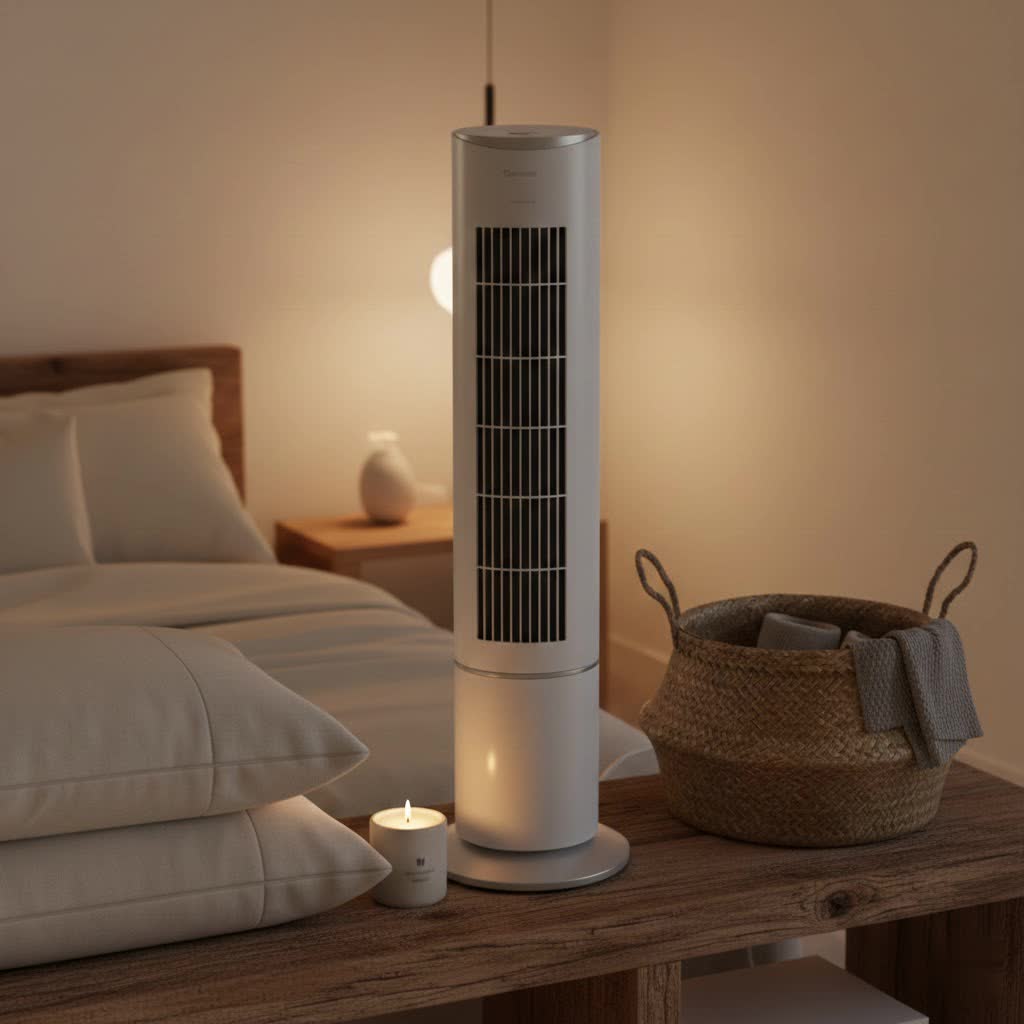
Advantages and Disadvantages of Tower Fans
Tower fans have become a popular choice for modern households, but like any appliance, they come with their own set of pros and cons. Understanding these can help you determine if a tower fan is the right fit for your cooling needs.
-
Advantages:
- Space-Saving Design: With their slim, vertical profile, tower fans occupy minimal floor space, making them ideal for smaller rooms, apartments, or tight corners where traditional pedestal fans might feel intrusive.
- Quiet Operation: Many tower fans are engineered for remarkably quiet performance, often operating at noise levels comparable to a whisper. This makes them perfect for bedrooms, offices, or nurseries where peace and quiet are paramount for sleep or concentration.
- Even Air Distribution: Most tower fans feature oscillation, allowing them to distribute a consistent and gentle breeze across a wider area of the room, creating a more uniform cooling sensation.
- Modern Aesthetics: Their sleek, often minimalist designs blend seamlessly with contemporary home decor, adding a touch of elegance rather than being a bulky eyesore.
- Advanced Features: Modern tower fans often come packed with convenient features such as remote controls, multiple speed settings, programmable timers, sleep modes, and even smart connectivity for app or voice control. Some premium models also include air purification or HEPA filters.
- Energy Efficiency: Compared to air conditioning units, tower fans consume significantly less electricity, offering a more eco-friendly and cost-effective way to feel cooler without actually lowering the room’s ambient temperature.
- Enhanced Safety: Many designs feature concealed or bladeless technology, making them a safer option for households with curious children or pets.
-
Disadvantages:
- Cooling Power Limitations: Unlike air conditioners, tower fans primarily circulate existing air, making you feel cooler through evaporative cooling on your skin. They do not actively lower the room’s temperature, which might be insufficient in extremely hot or humid conditions.
- Higher Upfront Cost: Tower fans typically have a higher price point than basic box or pedestal fans, especially models with advanced features or premium brands.
- Maintenance Requirements: The intricate grilles of some tower fans can accumulate dust quickly, requiring regular and sometimes challenging cleaning to maintain optimal performance and air quality.
- Limited Airflow Direction: While they oscillate, some tower fans have a relatively narrow oscillation angle compared to the wider range of movement offered by some pedestal fans, potentially limiting coverage in very large, open spaces.
- Effectiveness in High Humidity: Evaporative tower fans (misters) can paradoxically increase humidity in already humid climates, which can make the room feel muggier rather than cooler.
|
Our Picks for the Best Tower Fan in 2026
As an Amazon Associate I earn from qualifying purchases.
|
||
| Num | Product | Action |
|---|---|---|
| 1 | Dreo Tower Fan for Bedroom, 25ft/s Velocity Quiet Floor Fan, 90° Oscillating Fans for Indoors with 4 Speeds, 4 Modes, 8H Timer, Standing Fans, Bladeless Fan, White, Nomad One (DR-HTF007) |

|
| 2 | Xcity TP09Pro Bladeless Tower Fan, 3-in-1 Air Purifier, Space Heater & Cooling Fan, HEPA H13 Filtration, Remote & Touch Control, Ultra-Quiet DC Motor for Bedroom & Home Office |
|
| 3 | Amazon Basics 28" 60-Degree Oscillating Tower Fan for Bedroom, Living Room, Office, With 3 Speeds, Intuitive Mechanical Control, Black, 35W, 27.8"H x 9.4"D x 9.4"W |
|
| 4 | Dreo Tower Fan for Bedroom, 25ft/s Velocity Quiet Floor Fan, 90° Oscillating Fans for Indoors with 4 Speeds, 4 Modes, 8H Timer, Standing Fans, Bladeless Fan, Black, Nomad One (DR-HTF007) |
|
| 5 | LEVOIT Classic 36 inch Tower Fan for Bedroom, 25ft/s Airflow Standing Fan that Blows Cold Air for Home, 90° Oscillation, Quiet 28dB, Remote, 12H Timer, 5 Speeds, 4 Modes with Smart Sensor, Black |
|
| 6 | Dreo Tower Fan for Bedroom, 90° Oscillating Standing Fans for Room with 4 Speeds, 3 Modes, 28dB Quiet for Sleep, 25ft/s Velocity, 8H Timer, Remote, Living Room, Office, Home, Black, TF117 - for Bedroom, for Room, for Sleep, 25ft/s Velocity, Living Room, Office, Home, Black |
|
| 7 | LEVOIT Tower Fan for Bedroom, 25ft/s Velocity Standing Fan with 28dB Quiet for Sleep, Remoter, 12H Timer, 5 Speeds, 4 Modes, 90° Oscillation for Home, Office, Indoor, Bladeless 36 inch, White |
|
| 8 | Tower Heater Fan with 4L Humidifier, 1800W Heating/Cooling, 2 Heat Levels, 3 Fan Speeds, 120° Oscillation, Indoor Space Heater with Timer & Safety Lock |
|
| 9 | Dreo Tower Fan for Bedroom, 4 Speeds, 3 Modes Standing Fans for Room with 90° wide Oscillating, 28dB Quiet for Sleep, 25ft/s Velocity, 29ft Coverage, 8H Timer, Remote, Living Room, Office, Home, White |
|
| 10 | Dreo Tower Fan for Bedroom, 4 Speeds, 3 Modes Standing Fans for Room with 90° wide Oscillating, 28dB Quiet for Sleep, 25ft/s Velocity, 29ft Coverage, 8H Timer, Remote, Living Room, Office, Home, Grey |
|
Popular Types of Tower Fans on the Market
The market for tower fans is diverse, with various types designed to meet different preferences and needs. Here are some of the most common categories you’ll encounter:
- Mechanical Tower Fans: These are the simplest and most straightforward models, featuring manual controls (knobs or buttons) for speed and oscillation. They are typically the most affordable option, offering reliable basic airflow without extra frills.
- Remote-Controlled Tower Fans: Offering enhanced convenience, these fans come with a handheld remote, allowing you to adjust settings from across the room. This is a highly valued feature for bedroom or living room use.
- Smart Tower Fans: Integrating with smart home ecosystems, these fans can be controlled via smartphone apps or voice assistants (like Amazon Alexa or Google Assistant). They often include advanced features like scheduling, auto modes that adjust based on ambient temperature, and integration with other smart devices.
- Bladeless Tower Fans: Pioneered by brands like Dyson, bladeless fans offer a sleek, futuristic aesthetic and a safer design with no visible fast-spinning blades. They draw air into their base and expel it through a thin slit, creating a smooth, uninterrupted airflow.
- Tower Fans with Air Purification: Some high-end tower fans incorporate HEPA filters to capture airborne particles, allergens, and pollutants, effectively acting as both a fan and an air purifier. These are excellent for individuals with allergies or in homes with pets.
- Evaporative/Misting Tower Fans (Air Coolers): These units use water evaporation to cool the air, similar to a “swamp cooler.” They are most effective in dry climates where the low humidity allows for efficient water evaporation, providing a more significant cooling effect than standard fans.
- Heater-Fan Combo Tower Fans: For year-round utility, some tower fans include a heating element, allowing them to function as a fan in summer and a space heater in winter, maximizing their value and versatility.
Comparing Famous Tower Fan Brands
When selecting a tower fan, brand reputation often plays a significant role. Here’s a look at some of the prominent brands and what they are known for:
- Dyson: Renowned for their innovative bladeless technology, Dyson tower fans offer a premium experience with sophisticated design, quiet operation, and often integrated air purification. They are at the higher end of the price spectrum, but deliver cutting-edge performance and aesthetics.
- Honeywell: A trusted name in home comfort, Honeywell tower fans are known for their durability, effective cooling, and features like QuietSet technology, which offers multiple sound settings for ultimate comfort. They provide a strong balance of quality and features at a mid-range price point.
- Panasonic: While perhaps more known for other electronics, Panasonic offers reliable and stable tower fan models. These often focus on consistent performance and user-friendly operation, typically at a competitive, mid-range price.
- Xiaomi: A rising star in smart home appliances, Xiaomi tower fans typically feature minimalist designs, smart connectivity (app control), and excellent value. They often integrate seamlessly into existing Xiaomi smart home ecosystems, appealing to tech-savvy consumers.
Tower Fan Comparison Table
| Feature | Dyson Tower Fan | Honeywell Tower Fan | Panasonic Tower Fan | Xiaomi Tower Fan |
|---|---|---|---|---|
| Price | High | Mid-range / Affordable | Mid-range | Competitive / Mid-range |
| Technology | Bladeless, Air Purifying, Advanced Filtration | QuietSet, Oscillating, Multiple Speeds | Stable, Reliable, Basic Smart Features (some models) | Smart Home Integration, App Control, Minimalist Controls |
| Design | Sleek, Futuristic, Luxury | Functional, Diverse Styles | Simple, Unobtrusive | Minimalist, Modern |
| Noise Level | Very Low | Low to Medium | Medium | Low |
| Durability | High | High | Stable | Good |
| Key Features | Air Quality Sensors, Remote, App Control | Multiple Fan Speeds, Timers, Remote | Oscillation, Timers, Remote | Smart Scheduling, Natural Breeze Modes, Remote, App Control |
Guide to Choosing the Right Tower Fan
Selecting the perfect tower fan involves considering several factors to match your personal preferences and living space. Here’s a step-by-step guide to help you make an informed decision:
- Determine Your Usage Needs:
- Room Size: For smaller rooms (under 200 sq ft), a fan with less than 3,000 CFM is adequate. Mid-sized rooms (200-300 sq ft) benefit from 3,000-4,000 CFM, while larger spaces (300-450 sq ft) may require 4,000-6,000 CFM. Very large rooms (over 450 sq ft) will need 6,000-10,000 CFM for optimal air circulation.
- Purpose: Are you looking for general air circulation, a fan for better sleep, or one with air purification capabilities? This will influence the features you prioritize.
- Occupants: If you have children or pets, a bladeless or concealed-blade design offers enhanced safety.
- Set Your Budget: Tower fans range widely in price, from basic models under $50 to premium units exceeding $400. Determine what you are willing to spend and explore options within that range.
- Prioritize Key Features:
- Oscillation: Look for models with a wide oscillation angle (e.g., 90 degrees or more) to ensure broad air distribution across the room.
- Speed Settings: Multiple speed options (3-12 speeds) allow for greater control over airflow intensity.
- Timer Function: An auto-shutoff timer (e.g., 1-12 hours) is convenient for overnight use, saving energy and providing peace of mind.
- Remote Control: A magnetic or dockable remote enhances convenience, allowing you to adjust settings without getting up.
- Smart Features: If you desire app control, voice assistant integration, or smart home connectivity, look for Wi-Fi enabled models.
- Noise Level: For bedrooms or quiet workspaces, a fan with a low decibel rating (e.g., under 40 dB) is crucial. Some models feature “QuietSet” or “Sleep” modes.
- Specialized Functions: Consider air purification (HEPA filters) for allergy sufferers or an evaporative cooling function for dry climates.
- Research Reputable Brands and Read Reviews: Brands like Dyson, Dreo, Honeywell, and Lasko consistently receive positive feedback. Checking recent user reviews can provide real-world insights into performance, durability, and customer satisfaction.
- Assess Design and Footprint: Ensure the fan’s aesthetic complements your room and that its base fits comfortably in your chosen space.
“Choosing the right tower fan is about more than just moving air; it’s about integrating efficient, quiet comfort seamlessly into your daily life. Always consider your room’s specific needs and the features that genuinely enhance your well-being.” – Admin, ReviewMatee.com
Tips for Using and Maintaining Your Tower Fan
To ensure your tower fan operates effectively and lasts for years, proper usage and regular maintenance are essential:
- Optimal Placement: Position your tower fan in a well-ventilated area, away from direct sunlight or heat sources. Placing it near a window can help draw in cooler outside air, while positioning it to create a cross-breeze with an open window or air conditioner can significantly enhance its cooling effect.
- Regular Cleaning is Crucial: Dust and debris can accumulate in the air intake grilles and on the fan blades (even concealed ones), reducing airflow and efficiency. Use a soft cloth, a vacuum cleaner with a brush attachment, or compressed air to clean these areas regularly, especially the rear intake filter and the front grille. Refer to your fan’s manual for specific cleaning instructions.
- Ensure Correct Voltage: Always use your tower fan with the appropriate electrical voltage as specified by the manufacturer to prevent damage and ensure safe operation.
- Avoid Continuous Operation: While many tower fans are designed for extended use, it’s generally advisable to give them breaks, especially in older models. Utilize the timer function to turn off the fan automatically when you no longer need it, such as after falling asleep.
- Proper Storage: When the cooling season ends, clean your tower fan thoroughly and store it in a dry, dust-free place, ideally in its original packaging or a protective cover, to prevent dust buildup and damage.
Comparing Tower Fans with Other Fan Types
Understanding how tower fans stack up against other popular cooling devices can help you make the best choice for your home.
Tower Fan vs. Stand (Pedestal) Fan
- Space and Design: Tower fans excel in space-saving with their slim, vertical footprint, blending easily into modern decor. Pedestal fans, with their larger base and visible blades, occupy more floor space and have a more traditional appearance.
- Airflow and Coverage: Pedestal fans typically offer a more powerful, direct, and farther-reaching airflow, making them suitable for quickly cooling down larger spaces or providing intense personal cooling. Tower fans, especially oscillating ones, are better at distributing a gentler, more even breeze across a wider area of a room, creating a more ambient cooling sensation.
- Noise Level: Tower fans are generally designed for quieter operation, often featuring lower decibel levels, which is a significant advantage for bedrooms and quiet living areas. Pedestal fans, due to their larger, faster-spinning blades, can often be noisier, particularly at higher settings.
- Features and Safety: Tower fans often boast a wider array of modern features like remote controls, multiple modes, timers, and smart connectivity. Many also feature concealed or bladeless designs, making them safer for homes with children and pets. Pedestal fans are typically more basic, though some newer models may include remotes and timers.
Tower Fan vs. Air Cooler (Evaporative Cooler)
- Cooling Mechanism: This is the most significant difference. A tower fan simply circulates the existing air, creating a wind-chill effect that makes you feel cooler. An air cooler, or evaporative cooler, actively lowers the air temperature by passing air over water-soaked pads, causing water to evaporate and absorb heat.
- Effectiveness and Climate: Air coolers provide a more substantial cooling effect and are highly effective in hot, dry climates (low humidity) where evaporation works efficiently. In contrast, they can be less effective or even make a room feel muggier in humid environments, as adding more moisture to already moist air is counterproductive. Tower fans, since they don’t add humidity, are a better choice for humid climates where you just need air circulation.
- Cost and Maintenance: Tower fans are generally more energy-efficient and require less maintenance (primarily cleaning) than air coolers. Air coolers, while often eco-friendly (no refrigerants), are typically more expensive to purchase, require regular water refills, and need more frequent cleaning of their water reservoirs and pads to prevent mold and mildew.
- Air Quality and Humidity: Air coolers can increase indoor humidity, which might be a benefit in arid regions but a drawback elsewhere. Some tower fans, especially those with integrated purifiers, can also improve air quality by filtering dust and allergens.
Conclusion
Navigating the array of cooling options can be daunting, but the room tower fan stands out as an excellent choice for modern homes seeking efficient, quiet, and aesthetically pleasing airflow. From their space-saving designs to advanced smart features and safety benefits, tower fans offer a compelling blend of comfort and convenience that makes them much more than just simple air movers. They are particularly well-suited for personal cooling, small to medium rooms, and enhancing the effectiveness of air conditioning systems.
While they don’t replace the powerful temperature reduction of an AC, a well-chosen tower fan can significantly improve your thermal comfort and reduce energy consumption. By considering your room size, desired features, and budget, you can easily find a tower fan that not only meets your practical cooling needs but also complements your home’s style. So, are you ready to experience the quiet comfort and sleek efficiency a tower fan can bring to your living space?
Frequently Asked Questions
Do tower fans actually cool a room?
Tower fans make a room feel cooler by circulating existing air and creating a wind-chill effect on your skin through evaporation. They do not actively lower the ambient temperature of a room like an air conditioner. Some “cooling tower fans” use evaporative technology to slightly reduce air temperature, especially in dry climates.
What CFM is good for a tower fan?
The ideal CFM (cubic feet per minute) depends on your room size. For rooms under 200 square feet, a fan with less than 3,000 CFM is usually sufficient. For larger rooms, up to 450 square feet, look for fans offering 4,000 to 6,000 CFM to ensure effective air circulation.
Are tower fans noisy, especially for a bedroom?
Many modern tower fans are specifically designed for quiet operation, often featuring “sleep” modes or low decibel ratings (around 25-45 dB). While some models can be noisier at higher settings, you can generally find quiet tower fans that are ideal for bedrooms and won’t disturb sleep.
Can I leave a tower fan on all day?
Most modern tower fans are built for durability and can run for extended periods. However, it’s generally good practice to use the timer function to turn them off when not needed, conserving energy and prolonging the fan’s lifespan. Always ensure the fan is clean and in good working order for safe continuous use.
Do tower fans use less energy than air conditioning?
Yes, tower fans consume significantly less electricity than air conditioning units. While they don’t lower the room’s temperature, they make you feel cooler and can help circulate cool air from an AC more efficiently, potentially allowing you to set your thermostat higher and save on energy bills.
Is a bladeless tower fan better than one with visible blades?
Bladeless tower fans offer a sleek, modern aesthetic and enhanced safety due to the absence of exposed rotating blades, making them ideal for homes with children or pets. They typically produce a smooth, consistent airflow. Performance-wise, both types can be highly effective, but bladeless models often come at a premium price.
