In the relentless march of summer heat or simply for enhancing year-round air circulation, a reliable cooling solution is non-negotiable. While traditional fans offer a basic breeze, the modern oscillating tower fan with remote control stands out as a sophisticated and highly convenient upgrade. Imagine effortlessly adjusting your airflow from across the room, enjoying a gentle, widespread breeze that transforms your living space into an oasis of comfort. This comprehensive guide will navigate you through the world of these innovative cooling devices, helping you discover the perfect model to meet your specific needs and elevate your home environment.
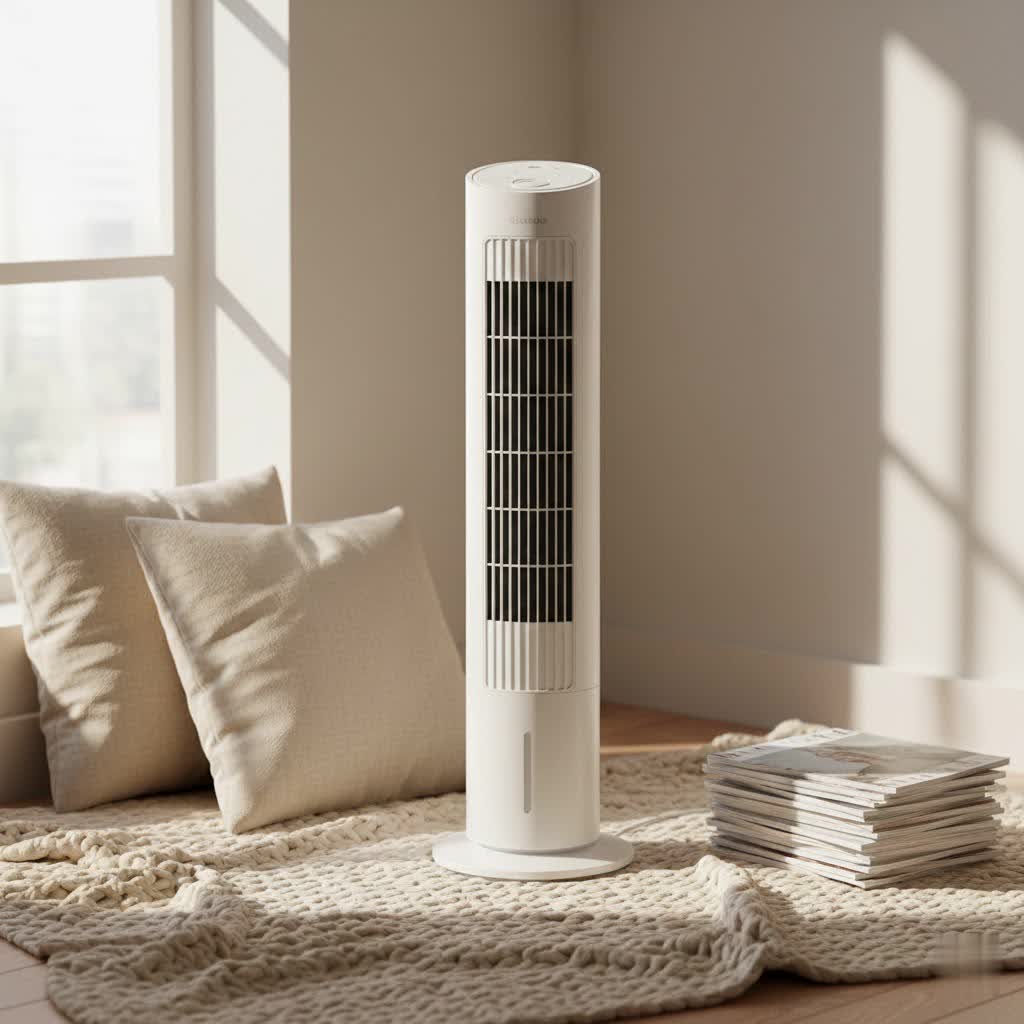
Oscillating Tower Fans: A Smart & Efficient Cooling Solution
Oscillating tower fans are slender, vertical cooling units designed to provide efficient air circulation in a compact form factor. Unlike bulkier traditional fans, their tall, narrow structure allows them to blend seamlessly into modern interiors, taking up minimal floor space. The “oscillating” feature means they rotate from side to side, distributing air evenly across a wider area, preventing stagnant spots and ensuring consistent comfort throughout a room. The added convenience of a remote control allows for effortless adjustments of settings, modes, and oscillation without leaving your couch or bed.
Advantages and Disadvantages of Oscillating Tower Fans
Choosing the right fan involves weighing its benefits against its potential drawbacks. Oscillating tower fans, while excellent for many, come with their own set of pros and cons.
Advantages:
- Space-Saving Design: Their slim, vertical profile makes them ideal for small rooms, apartments, or offices where floor space is at a premium. They can fit discreetly into corners without disrupting your decor.
- Quiet Operation: Many modern tower fans are engineered for remarkably quiet operation, particularly on lower settings. Some models, like the Honeywell QuietSet or Dreo Nomad One, produce a soothing white noise, making them perfect for bedrooms or quiet workspaces.
- Even Air Distribution: The oscillating function ensures that air is circulated broadly and consistently across a room, reducing hotspots and creating a more uniformly comfortable environment compared to stationary fans.
- Energy Efficiency: Compared to air conditioning units, tower fans consume significantly less electricity, offering a cost-effective way to supplement your cooling system or manage temperatures in moderately warm conditions.
- Enhanced Control & Convenience: The inclusion of a remote control provides unparalleled ease of use, allowing you to manage power, speed, oscillation, timers, and modes from anywhere in the room. Many also offer multiple speed settings and wind modes (e.g., normal, natural, sleep) for tailored comfort.
- Aesthetic Appeal: With sleek, modern designs, tower fans often enhance a room’s aesthetic rather than detracting from it. Bladeless models, like those from Dyson, offer a particularly sophisticated look.
|
Our Picks for the Best Tower Fan in 2026
As an Amazon Associate I earn from qualifying purchases.
|
||
| Num | Product | Action |
|---|---|---|
| 1 | LEVOIT Tower Fan for Bedroom, 25ft/s Velocity Standing Fan with 28dB Quiet for Sleep, Remoter, 12H Timer, 5 Speeds, 4 Modes, 90° Oscillation for Home, Office, Indoor, Bladeless 36 inch, White |

|
| 2 | Dreo Tower Fan for Bedroom, 90° Oscillating Standing Fans for Room with 4 Speeds, 3 Modes, 28dB Quiet for Sleep, 25ft/s Velocity, 8H Timer, Remote, Living Room, Office, Home, Black, TF117 - for Bedroom, for Room, for Sleep, 25ft/s Velocity, Living Room, Office, Home, Black |
|
| 3 | Dreo Tower Fan for Bedroom, 25ft/s Velocity Quiet Floor Fan, 90° Oscillating Fans for Indoors with 4 Speeds, 4 Modes, 8H Timer, Standing Fans, Bladeless Fan, Black, Nomad One (DR-HTF007) |
|
| 4 | Dreo Tower Fan for Bedroom, 4 Speeds, 3 Modes Standing Fans for Room with 90° wide Oscillating, 28dB Quiet for Sleep, 25ft/s Velocity, 29ft Coverage, 8H Timer, Remote, Living Room, Office, Home, Grey |
|
| 5 | Xcity TP09Pro Bladeless Tower Fan, 3-in-1 Air Purifier, Space Heater & Cooling Fan, HEPA H13 Filtration, Remote & Touch Control, Ultra-Quiet DC Motor for Bedroom & Home Office |
|
| 6 | Amazon Basics 28" 60-Degree Oscillating Tower Fan for Bedroom, Living Room, Office, With 3 Speeds, Intuitive Mechanical Control, Black, 35W, 27.8"H x 9.4"D x 9.4"W |
|
| 7 | Dreo Tower Fan for Bedroom, 4 Speeds, 3 Modes Standing Fans for Room with 90° wide Oscillating, 28dB Quiet for Sleep, 25ft/s Velocity, 29ft Coverage, 8H Timer, Remote, Living Room, Office, Home, White |
|
| 8 | Dreo Tower Fan for Bedroom, 25ft/s Velocity Quiet Floor Fan, 90° Oscillating Fans for Indoors with 4 Speeds, 4 Modes, 8H Timer, Standing Fans, Bladeless Fan, White, Nomad One (DR-HTF007) |
|
| 9 | LEVOIT Classic 36 inch Tower Fan for Bedroom, 25ft/s Airflow Standing Fan that Blows Cold Air for Home, 90° Oscillation, Quiet 28dB, Remote, 12H Timer, 5 Speeds, 4 Modes with Smart Sensor, Black |
|
| 10 | Tower Heater Fan with 4L Humidifier, 1800W Heating/Cooling, 2 Heat Levels, 3 Fan Speeds, 120° Oscillation, Indoor Space Heater with Timer & Safety Lock |
|
Disadvantages:
- Limited True Cooling Power: It’s crucial to remember that tower fans circulate existing air; they do not generate cold air like an air conditioner. While they create a refreshing breeze, they won’t lower the ambient temperature of a room significantly.
- Shorter Airflow Range in Large Spaces: While oscillation helps, some tower fans may struggle to provide adequate airflow in very large or open-concept rooms. Powerful models or those with wider oscillation ranges are needed for bigger areas.
- Initial Cost: Premium tower fans, especially those with advanced features like air purification or smart connectivity, can be more expensive than traditional box or pedestal fans.
- Maintenance for Optimal Performance: To maintain efficiency and air quality, tower fans require regular cleaning to prevent dust buildup inside their grilles or internal components. Some designs can be more challenging to clean than others.
Key Features to Look for in an Oscillating Tower Fan with Remote
When selecting an oscillating tower fan with remote control, several features contribute to its overall performance, convenience, and suitability for your home.
Oscillation Range
The oscillation range dictates how wide an area the fan can cover. Common ranges include 60, 70, 90, 120, or even 350 degrees. A wider oscillation angle is beneficial for larger rooms or spaces where you want to distribute air to multiple occupants. For instance, a 90-degree oscillation is effective for many standard rooms, while 180 or 350 degrees (like Dyson models) can provide whole-room circulation.
Speed Settings and Wind Modes
Most tower fans offer multiple speed settings (typically 3 to 12) to control airflow intensity. Beyond basic speeds, many include various wind modes:
- Normal Mode: Provides a consistent, steady airflow.
- Natural Mode: Mimics a natural breeze by varying fan speeds.
- Sleep Mode: Often operates at the lowest, quietest setting with dimmed displays, ideal for nighttime use.
- Auto Mode: Adjusts fan speed based on the ambient room temperature to maintain a comfortable environment efficiently.
Remote Control Functionality and Storage
The remote control is a primary convenience feature. Look for a remote that is intuitive, with clearly labeled buttons for power, speed, oscillation, mode selection, and timer. Some fans offer clever remote storage solutions, such as a magnetic attachment to the fan body or a dedicated slot, preventing it from getting lost.
Noise Level
Quiet operation is a critical factor, especially for bedrooms or home offices. Noise levels are typically measured in decibels (dB). Many top models pride themselves on ultra-quiet performance, with some operating as low as 25-30 dB on their lowest settings. Check reviews for real-world feedback on noise at various speeds.
Timer Functions
A built-in timer allows you to set the fan to automatically turn off after a specified period (e.g., 1 to 12 hours). This is useful for energy saving, particularly when using the fan at night or when leaving a room.
Design and Portability
Tower fans come in various heights and finishes. Consider a model that complements your home decor. Features like a built-in handle enhance portability, allowing you to easily move the fan between rooms as needed. Bladeless designs offer a sleek look and added safety, especially in homes with children or pets.
Additional Smart Features
Advanced tower fans may offer:
- Wi-Fi Connectivity and App Control: Manage your fan from your smartphone, even when you’re away from home.
- Voice Assistant Integration: Compatibility with platforms like Amazon Alexa or Google Assistant for hands-free control.
- Air Purification/Ionizer: Some models include HEPA filters or ionizers to help clean the air, removing dust, allergens, and odors while cooling.
- Digital Display: Provides clear information on settings, temperature, or modes.
Popular Brands and Models Comparison
The market for oscillating tower fans with remote control is robust, with several brands offering compelling features.
- Dyson: Renowned for its premium, bladeless designs that often incorporate air purification. Dyson fans offer advanced technology, wide oscillation (up to 350 degrees), and quiet operation, though they come at a higher price point.
- Dreo: A strong contender known for powerful airflow, quiet performance (e.g., Nomad One, Pilot Max S with TurboSilent technology), and smart features like app control. Dreo models often provide excellent value for their performance.
- Lasko: Offers a range of reliable and often affordable tower fans. Models like the Lasko Wind Curve are praised for quiet operation, effective oscillation, and convenient remote controls, some even featuring smart connectivity via an app.
- Honeywell: A trusted brand with models like the QuietSet HYF290B, celebrated for exceptionally quiet performance with multiple speed options and a useful dimming feature for nighttime.
- Levoit: Provides modern, aesthetically pleasing tower fans that often include smart features, multiple speeds, and quiet operation, making them a popular choice for tech-savvy users.
- Xiaomi: Known for minimalist design, smart home integration, and competitive pricing, offering intelligent features in a sleek package.
Comparison Table: Top Oscillating Tower Fans with Remote
| Feature | Dyson Pure Cool TP07 | Dreo Nomad One | Honeywell QuietSet HYF290B | Levoit Classic 42-Inch |
|---|---|---|---|---|
| Price Range | High (Premium) | Affordable – Mid | Mid | Mid |
| Oscillation | Up to 350° | 90° | 60-70° | 90° |
| Noise Level | Low (Purifier/Fan) | Low (25-50dB) | Very Low (26-41dB) | Low |
| Speed Settings | 10 | 4-8 | 8 | 12 |
| Wind Modes | Fan, Purifier | Normal, Natural, Sleep, Auto | Sleep, Calm, Refresh, Power | Normal, Natural, Sleep |
| Smart Features | App Control, Voice Assist | App Control, Voice Assist | No (Remote only) | App Control, Voice Assist |
| Additional | HEPA Air Purification | Remote Storage | Dimming display | LED Display |
Choosing the Right Oscillating Tower Fan for Your Needs
Selecting the perfect tower fan involves a thoughtful assessment of your specific requirements and preferences.
- Assess Your Room Size and Placement: For smaller rooms like bedrooms or offices, a fan with 60-90 degrees of oscillation and a moderate airflow range will suffice. For larger living areas, consider models with wider oscillation (120-350 degrees) and higher CFM (cubic feet per minute) output to ensure effective air distribution.
- Determine Your Budget: Tower fans range in price from budget-friendly options to high-end smart devices. Identify how much you’re willing to invest, keeping in mind that more features often equate to a higher cost.
- Prioritize Desired Features:
- Quietness: If you’re a light sleeper or need a fan for a quiet workspace, prioritize models known for their low decibel output, especially in sleep mode.
- Smart Technology: If you enjoy home automation, look for Wi-Fi enabled fans with app control and voice assistant compatibility.
- Air Purification: For allergy sufferers or those concerned about air quality, a fan with a built-in HEPA filter or ionizer can offer dual benefits.
- Consider Brand Reputation and Warranty: Opt for reputable brands known for quality and customer service. Check the warranty period and ease of support.
- Read User Reviews: Consult online reviews and expert testing results to gain real-world insights into a fan’s performance, durability, and user experience. Pay attention to comments regarding noise levels, remote functionality, and cleaning ease.
Tips for Using and Maintaining Your Tower Fan
Proper usage and regular maintenance will extend the lifespan and optimize the performance of your oscillating tower fan.
- Optimal Placement: Position your tower fan in an uncluttered area where its oscillation can cover the desired space without obstruction. Avoid placing it directly against walls or in corners that impede airflow. For maximum effect, place it in a doorway or near an open window to draw in fresh air.
- Regular Cleaning: Dust can accumulate on the fan’s grilles and internal components, reducing airflow and potentially affecting air quality. Most tower fans require the external grilles to be wiped down regularly. For internal cleaning, consult your fan’s manual; some models have removable rear grilles for easier access, while others might require a vacuum cleaner with a brush attachment or compressed air.
- Use Correct Voltage: Always ensure your fan is plugged into an electrical outlet that provides the correct voltage as specified by the manufacturer.
- Avoid Continuous Long-Term Operation: While durable, allowing your fan to run continuously for days on end without a break can shorten its lifespan. Utilize the timer function to conserve energy and give the motor a rest.
- Proper Storage: When not in use, especially during off-seasons, clean the fan thoroughly, unplug it, and store it in a dry, cool place, preferably in its original packaging or covered to prevent dust accumulation.
Oscillating Tower Fans vs. Other Cooling Solutions
Understanding how tower fans compare to other popular cooling devices can help you make an informed decision for your home.
Tower Fan vs. Pedestal Fan
- Space & Aesthetics: Tower fans are notably more space-saving and offer a sleeker, more modern aesthetic. Pedestal fans have a wider base and a more traditional appearance.
- Airflow: Pedestal fans, with their larger, exposed blades and powerful motors, typically provide a more forceful, targeted blast of air, making them excellent for quickly cooling a specific spot or moving air in larger rooms. Tower fans, conversely, excel at delivering a broader, more even, ambient breeze across a wider area thanks to their internal fan design and oscillation.
- Noise: Tower fans are generally quieter, especially on lower settings, making them preferable for bedrooms. Pedestal fans can be louder due to their powerful motors, though higher-end models can be relatively quiet.
Tower Fan vs. Box Fan
- Design & Footprint: Tower fans are tall and slim, occupying minimal floor space, and often designed to blend with modern decor. Box fans are bulky, square, and generally less aesthetically pleasing, taking up more horizontal space.
- Features: Tower fans commonly come with a host of advanced features like oscillation, multiple speed/mode settings, timers, remote controls, and sometimes smart capabilities or air purification. Box fans are typically basic, offering 1-3 speeds and no oscillation or remote.
- Air Distribution: Tower fans oscillate to distribute air widely. Box fans direct air in one fixed direction.
- Price: Box fans are generally the most affordable option, while tower fans, especially those with advanced features, tend to be more expensive.
Tower Fan vs. Air Conditioner
- Cooling Mechanism: This is the most significant difference. Air conditioners actively cool the air by removing heat and humidity, genuinely lowering room temperature. Tower fans simply circulate the existing air, creating a “wind chill” effect that makes you feel cooler, but they do not change the actual temperature.
- Energy Consumption & Cost: Air conditioners are energy-intensive and costly to run. Tower fans are far more energy-efficient and economical.
- Best Use Cases: Air conditioners are essential for hot, humid climates or severe heatwaves where significant temperature reduction is needed. Tower fans are ideal for mild to moderate heat, improving air circulation, supplementing AC, or providing personal cooling in smaller to medium spaces.
Conclusion
The oscillating tower fan with remote control stands as a testament to modern cooling convenience, blending elegant design with powerful, customizable airflow. From its space-saving footprint and quiet operation to the effortless control offered by a remote, this device brings a refreshing breeze and enhanced comfort to any room. By considering factors like oscillation range, speed modes, noise levels, and smart features, you can confidently select a model that not only combats the heat but also seamlessly integrates into your lifestyle. With proper placement and maintenance, your tower fan will be a dependable ally in creating your ideal home climate. Ready to experience unparalleled cooling comfort?
Frequently Asked Questions
What makes an oscillating tower fan with remote control different from a regular fan?
An oscillating tower fan offers a sleek, space-saving vertical design, quiet operation, and the ability to distribute air evenly across a wide area thanks to its oscillation. The remote control adds convenience, allowing you to adjust settings without manual interaction, unlike many basic regular fans which are often bulkier and stationary.
Are tower fans effective in large rooms?
While tower fans excel in small to medium rooms, their effectiveness in large rooms depends on their power and oscillation range. Some high-powered models with wider oscillation (e.g., 120-350 degrees) are designed to circulate air more effectively in larger spaces, but they do not cool the air like an air conditioner.
Can an oscillating tower fan help with allergies?
Yes, some advanced oscillating tower fans come equipped with built-in air purifiers or ionizers. These features can help trap dust, pollen, pet dander, and other allergens while circulating air, providing a dual benefit of cooling and improved air quality for allergy sufferers.
