The summer heat can be relentless, turning comfortable living spaces into oppressive saunas. While air conditioning offers a powerful solution, it’s not always the most energy-efficient or portable option. This is where the humble yet powerful tower fan steps in as a sophisticated and effective cooling alternative, offering a blend of design, efficiency, and quiet operation. Whether you’re battling stuffy bedrooms or looking to enhance airflow in your living room, understanding the nuances of these modern cooling devices can make all the difference. Let’s delve into the world of tower fans to find your perfect match for optimal home comfort.
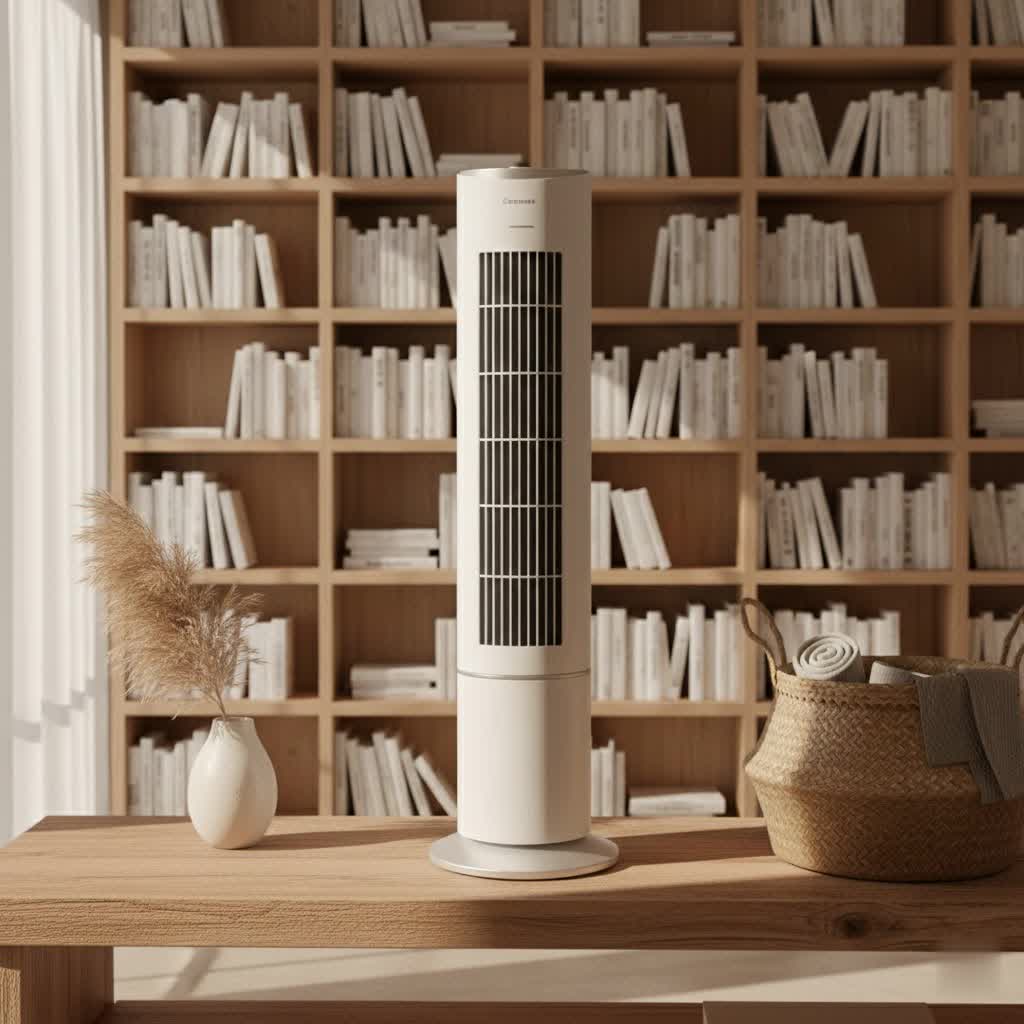
Tower Fans: An Efficient Cooling Solution for the Summer Heat
Tower fans have become a staple in many homes, lauded for their sleek design and effective air circulation. Unlike traditional box or pedestal fans, their vertical orientation allows for a broader oscillation arc, distributing cool air more evenly across a room. This makes them particularly well-suited for smaller spaces where floor area is at a premium, or for directed airflow that doesn’t disrupt aesthetics.
Advantages and Disadvantages of Tower Fans
Tower fans offer a compelling mix of benefits and a few considerations that buyers should be aware of. Understanding these can help you determine if a tower fan is the right choice for your specific cooling needs.
-
Advantages:
- Space-Saving Design: Their slim, upright profile takes up minimal floor space, making them ideal for apartments, offices, or crowded rooms.
- Quiet Operation: Many models are engineered for low-noise performance, perfect for bedrooms or quiet workspaces where concentration is key.
- Even and Stable Airflow: With their oscillating capabilities, tower fans can distribute air across a wider area, creating a more consistent and comfortable breeze.
- Modern Features: Many come packed with convenient functionalities like remote controls, programmable timers, multiple fan speeds, and specialized modes (e.g., natural breeze, sleep mode).
- Enhanced Safety: Bladeless designs, particularly from premium brands, reduce the risk of injury, making them safer for homes with children and pets.
-
Disadvantages:
- Higher Price Point: Tower fans generally cost more than traditional fans due to their design, features, and technology.
- Limited Cooling in Large Spaces: While good for personal spaces and medium rooms, their cooling power might be insufficient for very large, open-plan areas without assistance.
- Regular Cleaning Required: To maintain optimal performance and air quality, the grilles and internal components require periodic cleaning, which can sometimes be intricate.
|
Our Picks for the Best Tower Fan in 2026
As an Amazon Associate I earn from qualifying purchases.
|
||
| Num | Product | Action |
|---|---|---|
| 1 | LEVOIT Tower Fan for Bedroom, 25ft/s Velocity Standing Fan with 28dB Quiet for Sleep, Remoter, 12H Timer, 5 Speeds, 4 Modes, 90° Oscillation for Home, Office, Indoor, Bladeless 36 inch, White |

|
| 2 | Tower Heater Fan with 4L Humidifier, 1800W Heating/Cooling, 2 Heat Levels, 3 Fan Speeds, 120° Oscillation, Indoor Space Heater with Timer & Safety Lock |
|
| 3 | LEVOIT Classic 36 inch Tower Fan for Bedroom, 25ft/s Airflow Standing Fan that Blows Cold Air for Home, 90° Oscillation, Quiet 28dB, Remote, 12H Timer, 5 Speeds, 4 Modes with Smart Sensor, Black |
|
| 4 | Dreo Tower Fan for Bedroom, 25ft/s Velocity Quiet Floor Fan, 90° Oscillating Fans for Indoors with 4 Speeds, 4 Modes, 8H Timer, Standing Fans, Bladeless Fan, White, Nomad One (DR-HTF007) |
|
| 5 | Dreo Tower Fan for Bedroom, 90° Oscillating Standing Fans for Room with 4 Speeds, 3 Modes, 28dB Quiet for Sleep, 25ft/s Velocity, 8H Timer, Remote, Living Room, Office, Home, Black, TF117 - for Bedroom, for Room, for Sleep, 25ft/s Velocity, Living Room, Office, Home, Black |
|
| 6 | Dreo Tower Fan for Bedroom, 25ft/s Velocity Quiet Floor Fan, 90° Oscillating Fans for Indoors with 4 Speeds, 4 Modes, 8H Timer, Standing Fans, Bladeless Fan, Black, Nomad One (DR-HTF007) |
|
| 7 | Amazon Basics 28" 60-Degree Oscillating Tower Fan for Bedroom, Living Room, Office, With 3 Speeds, Intuitive Mechanical Control, Black, 35W, 27.8"H x 9.4"D x 9.4"W |
|
| 8 | Dreo Tower Fan for Bedroom, 4 Speeds, 3 Modes Standing Fans for Room with 90° wide Oscillating, 28dB Quiet for Sleep, 25ft/s Velocity, 29ft Coverage, 8H Timer, Remote, Living Room, Office, Home, Grey |
|
| 9 | Dreo Tower Fan for Bedroom, 4 Speeds, 3 Modes Standing Fans for Room with 90° wide Oscillating, 28dB Quiet for Sleep, 25ft/s Velocity, 29ft Coverage, 8H Timer, Remote, Living Room, Office, Home, White |
|
| 10 | Xcity TP09Pro Bladeless Tower Fan, 3-in-1 Air Purifier, Space Heater & Cooling Fan, HEPA H13 Filtration, Remote & Touch Control, Ultra-Quiet DC Motor for Bedroom & Home Office |
|
Popular Types of Tower Fans on the Market
The diversity in tower fan technology means there’s a model suited for almost any preference and budget. From basic functionality to advanced smart features, the market offers a wide array of choices.
- Mechanical Tower Fans: These are the simplest and most budget-friendly options, featuring manual controls for speed and oscillation. They are straightforward to operate and reliable.
- Remote-Controlled Tower Fans: Offering ultimate convenience, these fans allow you to adjust settings from across the room, making them perfect for bedside use or when relaxing on the couch.
- Misting Tower Fans: Designed to add humidity to the air, these fans can provide a deeper cooling sensation, especially beneficial in dry climates or for those who prefer added moisture.
- Bladeless Tower Fans: Prioritizing safety and sleek aesthetics, bladeless fans create airflow without visible spinning blades. They are generally quieter and easier to clean, often found in premium models.
Comparing Notable Tower Fan Brands
When investing in a tower fan, brand reputation often correlates with quality, features, and customer support. Several brands stand out in the market for their innovation and reliability.
- Dyson: Renowned for cutting-edge technology and sophisticated, often bladeless, designs. Dyson fans frequently include air purification capabilities, smart features, and high price points. They are a premium choice for those seeking advanced functionality and aesthetics.
- Honeywell: A trusted name in home comfort, Honeywell tower fans are known for their durability, robust construction, and a good balance of features for a mid-range price. They offer reliable performance and a variety of models.
- Panasonic: This established brand provides dependable and stable quality. Panasonic tower fans are often energy-efficient, offer consistent performance, and come at a more accessible price point, embodying reliable Japanese engineering.
- Xiaomi: Focused on minimalist design and smart home integration, Xiaomi tower fans are competitively priced and often incorporate smart features, app control, and a sleek, unobtrusive look that appeals to tech-savvy users.
Tower Fan Comparison Table
This table provides a quick overview of key features across some leading tower fan brands, helping you to compare and contrast their offerings.
| Feature | Dyson Tower Fan | Honeywell Tower Fan | Panasonic Tower Fan | Xiaomi Tower Fan |
|---|---|---|---|---|
| Price | High | Medium | Affordable | Competitive |
| Technology | Advanced, Bladeless | Feature-rich, Durable | Stable, Energy-efficient | Smart, IoT Integration |
| Design | Luxurious, Modern | Diverse, Functional | Simple, Practical | Minimalist, Sleek |
| Noise Level | Low | Medium | Medium | Low |
| Durability | High | High | Stable | Good |
| Key Features | Air purification, Smart app, Oscillation | Remote, Timer, Multiple speeds | Quiet operation, Reliability | App control, Smart modes, Aesthetics |
Guide to Choosing the Right Tower Fan
Selecting the perfect tower fan involves considering several factors beyond just aesthetics. A thoughtful approach ensures you pick a model that truly meets your specific needs.
- Identify Your Usage Needs: Consider the room size where the fan will be used. For a small bedroom, a compact, quiet model is key. For a living room, you might need stronger airflow and wider oscillation. Also, think about the primary purpose: just cooling, or do you need air purification or humidification?
- Set Your Budget: Tower fans range widely in price. Determine how much you’re willing to spend. While premium models offer more features and often better performance, many affordable options deliver excellent value.
- Prioritize Features: Make a list of essential features. Do you need a remote control for convenience? Is a timer crucial for turning off the fan automatically? Are smart features like app control or voice assistant compatibility important to you? For homes with children or pets, a bladeless design might be a top priority for safety.
- Consider Brand Reputation: Opt for reputable brands known for their quality and customer service. Reading reviews from other users can provide valuable insights into a brand’s reliability and after-sales support.
- Read User Reviews: Before making a final decision, consult reviews from verified purchasers. These can highlight real-world performance, potential issues, and overall satisfaction, giving you a comprehensive perspective.
Tips for Using and Maintaining Your Tower Fan
Proper usage and regular maintenance are crucial for extending the lifespan of your tower fan and ensuring it operates efficiently.
- Strategic Placement: Position your fan in a cool, unobstructed area, away from direct sunlight. This helps the fan circulate cooler air more effectively throughout the room.
- Regular Cleaning: Dust can accumulate on the grilles and internal components, reducing airflow and potentially affecting motor performance. Unplug the fan and use a soft cloth, a vacuum cleaner with a brush attachment, or compressed air to clean it periodically. Some models allow for partial disassembly for deeper cleaning.
- Correct Voltage: Always ensure the fan is connected to an outlet with the correct voltage as specified in the manufacturer’s instructions to prevent electrical damage.
- Avoid Continuous Operation: While durable, allowing your fan to run continuously for very long periods can strain the motor. Use the timer function to give it breaks, especially overnight.
- Proper Storage: When not in use, especially during off-seasons, store your tower fan in a dry, dust-free environment. Using its original packaging or a protective cover can prevent dust buildup and damage.
Tower Fan vs. Other Cooling Solutions
Understanding how tower fans stack up against other popular cooling devices can help you make an informed decision for your space.
-
Tower Fan vs. Pedestal Fan:
- Tower fans offer a sleek, space-saving design with wide oscillation, distributing air evenly over a broad area. They are often quieter and more aesthetically pleasing.
- Pedestal fans typically deliver more direct, powerful airflow and are generally less expensive. However, they take up more floor space and can be noisier. Choose a tower fan for subtle, wide-area cooling and aesthetics, or a pedestal fan for direct, strong airflow.
-
Tower Fan vs. Air Cooler:
- Tower fans simply circulate existing air, creating a breeze but not lowering the ambient temperature. They are energy-efficient and add no humidity.
- Air coolers (evaporative coolers) use water to cool the air, which also increases humidity. They are more effective at lowering temperatures than fans, particularly in dry climates, but require water refills and can raise humidity levels too much in already humid environments. Use a tower fan for general air circulation and comfort, and an air cooler for noticeable temperature reduction where humidity isn’t an issue.
“The best cooling solution isn’t one-size-fits-all. It’s about matching the technology to your environment and personal comfort priorities. Tower fans excel in providing subtle, pervasive airflow without the bulk or energy demands of more intensive systems.”
Conclusion
Tower fans offer a sophisticated and efficient way to combat the heat, blending seamlessly into modern living spaces while providing effective air circulation. From their sleek designs and quiet operation to advanced features like remote controls and smart connectivity, they present a compelling alternative or complement to air conditioning. By carefully considering your specific needs, budget, and desired features, you can confidently select a tower fan that not only enhances your comfort but also complements your home’s aesthetic. Which feature of a tower fan do you value most for your home?
Frequently Asked Questions
Are tower fans effective at cooling a room?
Tower fans effectively circulate air, creating a noticeable cooling breeze and improving overall comfort. While they don’t lower the ambient temperature like air conditioners, their wide oscillation can make a medium-sized room feel significantly cooler by promoting airflow and aiding in evaporation.
How much energy do tower fans use compared to air conditioners?
Tower fans are significantly more energy-efficient than air conditioners. They typically consume only a fraction of the electricity, making them a much more economical choice for daily use and a greener option for personal or room-specific cooling.
Can tower fans also purify the air?
Some advanced tower fan models, especially from brands like Dyson, integrate air purification features. These models include HEPA and activated carbon filters that can capture allergens, pollutants, and odors, providing both cooling and cleaner air in one device.
Are bladeless tower fans truly safer for children and pets?
Yes, bladeless tower fans are generally considered much safer for homes with children and pets. Without visible, rapidly spinning blades, the risk of accidental injury is virtually eliminated, offering peace of mind while maintaining effective airflow.
How often should I clean my tower fan?
For optimal performance and air quality, it’s recommended to clean your tower fan every 1-2 months, or more frequently if it’s used daily in a dusty environment. Regular cleaning prevents dust buildup that can impede airflow and strain the motor.
