As an admin at ReviewMatee.com and a technician with over a decade of hands-on experience in tower fans, I’ve seen countless models, from basic designs to those packed with the latest technology. The quest for effective and efficient home cooling often leads many to consider tower fans and even wonder if a “tower fan air conditioner” truly exists. In reality, while tower fans are excellent for air circulation, they operate fundamentally differently from air conditioners, which actively cool a space. Let’s dive into the world of tower fans, explore their capabilities, compare them to other cooling solutions, and help you find the perfect match for your home.
Understanding Tower Fans: An Efficient Air Circulation Solution
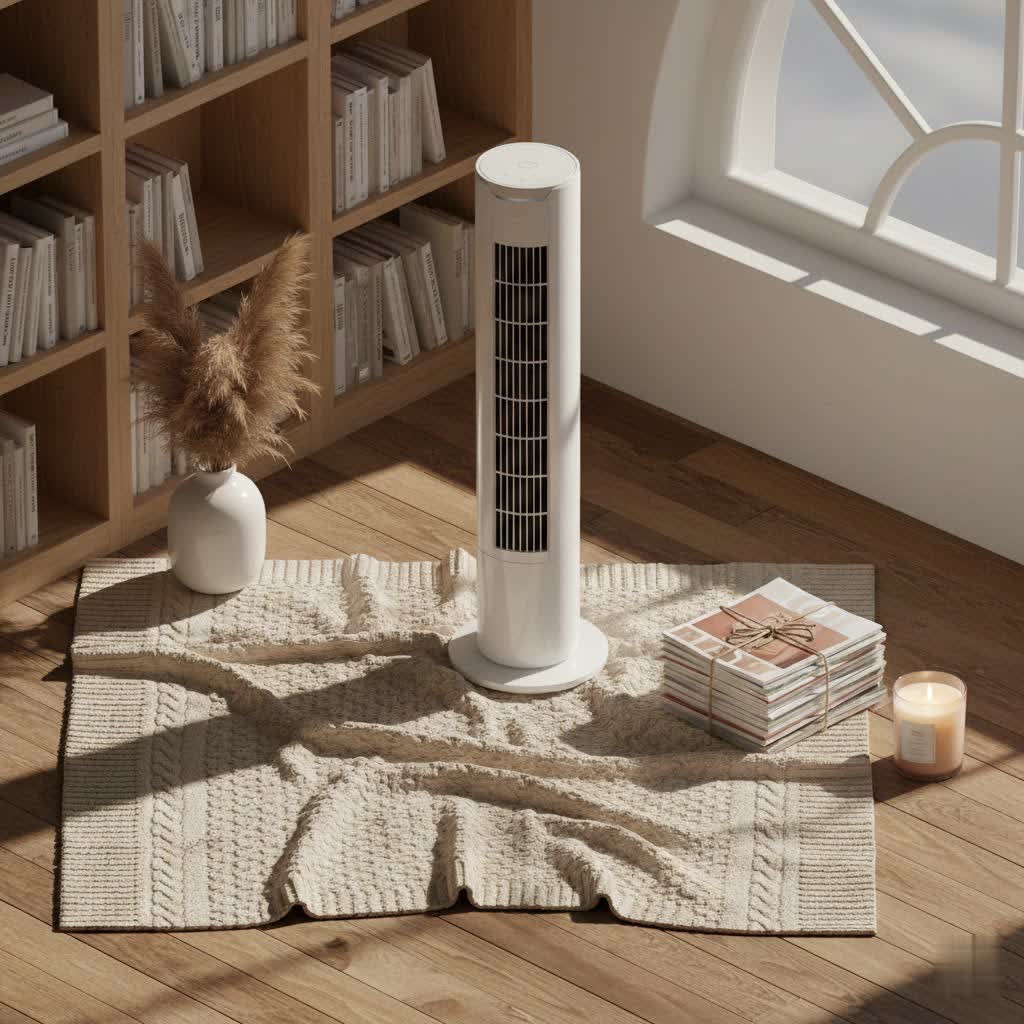
Tower fans are a popular choice for their sleek, space-saving design and ability to deliver a steady breeze. Unlike traditional fans with exposed blades, tower fans feature a vertical, often bladeless, structure that circulates air quietly and efficiently. They are designed to fit seamlessly into modern interiors, making them a preferred option for bedrooms, offices, and living areas where aesthetics and footprint are key considerations.
Advantages and Disadvantages of Tower Fans
Tower fans offer a blend of style and functionality, but it’s important to understand their strengths and limitations.
-
Advantages:
- Compact Design: Their slim, vertical profile saves significant floor space, fitting easily into tight corners where traditional fans or bulkier units might not.
- Quiet Operation: Generally designed for minimal noise, many tower fans operate with a low hum, making them suitable for environments where quiet is valued, such as bedrooms or home offices.
- Even Air Distribution: Most models oscillate, distributing airflow across a wider area and helping to circulate air throughout a room more effectively than static fans.
- Modern Features: Many come equipped with convenient features like remote control operation, multiple speed settings, timers, and various breeze modes (e.g., natural, sleep).
- Safety: The enclosed or bladeless design is inherently safer for households with children or pets.
-
Disadvantages:
- Higher Initial Cost: Tower fans can sometimes be more expensive than basic pedestal fans.
- Limited Cooling Capacity: Crucially, standard tower fans circulate air, they do not cool it. They create a wind-chill effect, making you feel cooler by evaporating moisture from your skin, but they do not lower the ambient temperature of the room.
- Regular Cleaning Required: To maintain optimal performance and air quality, regular cleaning of internal components and filters (if present) is necessary.
|
Our Picks for the Best Tower Fan in 2026
As an Amazon Associate I earn from qualifying purchases.
|
||
| Num | Product | Action |
|---|---|---|
| 1 | Dreo Tower Fan for Bedroom, 4 Speeds, 3 Modes Standing Fans for Room with 90° wide Oscillating, 28dB Quiet for Sleep, 25ft/s Velocity, 29ft Coverage, 8H Timer, Remote, Living Room, Office, Home, Grey |

|
| 2 | Dreo Tower Fan for Bedroom, 90° Oscillating Standing Fans for Room with 4 Speeds, 3 Modes, 28dB Quiet for Sleep, 25ft/s Velocity, 8H Timer, Remote, Living Room, Office, Home, Black, TF117 - for Bedroom, for Room, for Sleep, 25ft/s Velocity, Living Room, Office, Home, Black |
|
| 3 | Xcity TP09Pro Bladeless Tower Fan, 3-in-1 Air Purifier, Space Heater & Cooling Fan, HEPA H13 Filtration, Remote & Touch Control, Ultra-Quiet DC Motor for Bedroom & Home Office |
|
| 4 | Dreo Tower Fan for Bedroom, 25ft/s Velocity Quiet Floor Fan, 90° Oscillating Fans for Indoors with 4 Speeds, 4 Modes, 8H Timer, Standing Fans, Bladeless Fan, Black, Nomad One (DR-HTF007) |
|
| 5 | Tower Heater Fan with 4L Humidifier, 1800W Heating/Cooling, 2 Heat Levels, 3 Fan Speeds, 120° Oscillation, Indoor Space Heater with Timer & Safety Lock |
|
| 6 | LEVOIT Tower Fan for Bedroom, 25ft/s Velocity Standing Fan with 28dB Quiet for Sleep, Remoter, 12H Timer, 5 Speeds, 4 Modes, 90° Oscillation for Home, Office, Indoor, Bladeless 36 inch, White |
|
| 7 | Dreo Tower Fan for Bedroom, 4 Speeds, 3 Modes Standing Fans for Room with 90° wide Oscillating, 28dB Quiet for Sleep, 25ft/s Velocity, 29ft Coverage, 8H Timer, Remote, Living Room, Office, Home, White |
|
| 8 | Amazon Basics 28" 60-Degree Oscillating Tower Fan for Bedroom, Living Room, Office, With 3 Speeds, Intuitive Mechanical Control, Black, 35W, 27.8"H x 9.4"D x 9.4"W |
|
| 9 | LEVOIT Classic 36 inch Tower Fan for Bedroom, 25ft/s Airflow Standing Fan that Blows Cold Air for Home, 90° Oscillation, Quiet 28dB, Remote, 12H Timer, 5 Speeds, 4 Modes with Smart Sensor, Black |
|
| 10 | Dreo Tower Fan for Bedroom, 25ft/s Velocity Quiet Floor Fan, 90° Oscillating Fans for Indoors with 4 Speeds, 4 Modes, 8H Timer, Standing Fans, Bladeless Fan, White, Nomad One (DR-HTF007) |
|
Types of Tower Fans and Tower-Style Cooling Devices
While a “tower fan air conditioner” as a single, refrigerant-based unit is generally not a recognized product category, several tower-style devices offer different levels of cooling:
- Basic Tower Fans: These are straightforward devices focused purely on air circulation. They offer multiple fan speeds and often oscillation, controlled via buttons or a remote.
- Smart Tower Fans: Integrating with home automation systems, these fans can be controlled via apps, voice commands, and offer features like environmental sensors or custom scheduling.
- Evaporative Tower Coolers (Swamp Coolers): Often mistaken for air conditioners due to their active cooling capabilities, these units use water evaporation to lower air temperature. They draw in warm air, pass it over water-soaked pads, and release cooler, humidified air. These are most effective in dry climates where added humidity is beneficial. They often come in a sleek, tower-like design.
- Portable Tower Air Conditioners: Less common, but some portable air conditioners are designed with a tall, slim “tower” aesthetic to blend into modern decor. These are true air conditioners, using refrigerants to cool air and requiring an exhaust hose to vent hot air outside. They actively lower room temperature but are generally larger and more expensive than evaporative coolers.
Tower Fans vs. Air Conditioners: Understanding the Core Difference
The primary distinction between a tower fan and an air conditioner lies in their fundamental cooling mechanisms. A tower fan circulates existing air, creating a breeze that helps sweat evaporate from your skin, making you feel cooler. It does not reduce the actual temperature of the room. An air conditioner, whether central or portable, actively removes heat from a room by using refrigerants and typically vents hot air outside, thereby lowering the ambient temperature.
> “A common misconception is that a tower fan cools the air. Its true power lies in efficient air movement, enhancing comfort through air circulation rather than temperature reduction.” – Admin, ReviewMatee.com
When to Choose Each Cooling Solution:
-
Choose a Tower Fan if:
- You need improved air circulation and a personal breeze.
- You want a quiet, space-saving, and aesthetically pleasing device.
- Your climate is moderately warm, and you primarily seek enhanced comfort rather than significant temperature drops.
- You want to supplement an existing air conditioning system by circulating cool air more effectively.
-
Choose an Evaporative Cooler (tower style) if:
- You live in a dry climate (low humidity).
- You want active cooling that is more energy-efficient and eco-friendly than traditional AC.
- You’re looking for an alternative to AC that also adds some humidity to the air.
- You understand it requires refilling a water tank and regular cleaning to prevent mold.
-
Choose a Portable Air Conditioner (including tower-style PACs) if:
- You need to significantly lower the temperature in a specific room.
- You don’t have central air conditioning or want to cool only certain zones.
- You can accommodate an exhaust hose that vents hot air outside.
- You are prepared for higher energy consumption compared to fans and evaporative coolers.
Leading Brands in Tower Fans and Cooling Devices
Several reputable brands offer a range of tower fans and related cooling devices, each with its unique selling points:
- Dyson: Known for innovative bladeless designs, powerful airflow, and premium pricing. Dyson models often incorporate air purification features.
- Honeywell: A reliable brand offering durable tower fans with a good balance of features, performance, and mid-range pricing. They often focus on effective airflow and ease of use.
- Panasonic: A trusted name in electronics, Panasonic provides stable quality and user-friendly tower fans, often at a more accessible price point.
- Xiaomi: Offers modern, minimalist designs, often with smart features and competitive pricing, appealing to tech-savvy consumers.
Comparison Table: Tower Fan, Evaporative Cooler, and Portable Air Conditioner
To help you make an informed decision, here’s a detailed comparison:
| Feature | Tower Fan | Evaporative Tower Cooler | Portable Air Conditioner (Tower Style) |
|---|---|---|---|
| Cooling Mechanism | Air circulation (wind-chill) | Water evaporation (active cooling) | Refrigerant-based (active cooling) |
| Temperature Reduction | None (makes you feel cooler) | Modest (lowers ambient temp) | Significant (lowers ambient temp) |
| Price | Affordable | Mid-range | High |
| Energy Consumption | Low | Moderate | High |
| Design | Slim, sleek, space-saving | Tall, often sleek | Can be bulky, but some slim designs available |
| Noise Level | Very Low | Low to Moderate | Moderate to High |
| Maintenance | Low (dusting, occasional internal cleaning) | Moderate (water tank cleaning, pad replacement) | High (filter cleaning, condensate drainage, exhaust hose) |
| Humidity Impact | None | Increases humidity | Decreases humidity (dehumidifies) |
| Climate Suitability | All climates | Dry, low-humidity climates | All climates |
| Installation | Plug and play | Plug and play (water fill) | Requires exhaust hose setup |
How to Choose the Right Cooling Solution for Your Space
Selecting the ideal cooling device depends heavily on your specific needs and environment. Consider the following factors:
- Determine Your Needs:
- Room Size: For small to medium rooms, a tower fan might suffice. Larger spaces needing active cooling will benefit more from an evaporative cooler or a portable AC.
- Desired Effect: Do you need active temperature reduction (AC/evaporative cooler) or just a comfortable breeze (tower fan)?
- Climate: In dry climates, an evaporative cooler is an excellent, energy-efficient option. In humid climates, an AC is more effective at cooling and dehumidifying, while a fan can simply circulate stuffy air without much relief.
- Budget: Tower fans are the most budget-friendly. Evaporative coolers are a step up, and portable air conditioners are the most significant investment.
- Features: Prioritize features like remote control, multiple speed settings, timers, oscillation, smart connectivity, or air purification, based on your lifestyle.
- Brand Reputation: Choose reputable brands known for durability and good customer service. Research user reviews to gauge real-world performance.
- Maintenance Commitment: Consider how much effort you’re willing to put into regular cleaning and upkeep, especially for evaporative coolers (water tank, pads) and portable ACs (filters, drainage).
Maximizing Comfort: Tips for Using and Maintaining Your Tower Fan
To ensure your tower fan operates at its best and provides lasting comfort, follow these simple tips:
- Optimal Placement: Position your fan in a well-ventilated area, away from direct sunlight, to enhance its effectiveness. For best air circulation, place it where it can draw in ambient air and distribute it freely.
- Regular Cleaning: Dust can accumulate on the fan’s grilles and internal components, impeding airflow. Clean the exterior regularly and consult your manual for instructions on cleaning internal parts or filters. This prevents dust buildup and maintains air quality.
- Correct Voltage: Always use the fan with the correct electrical voltage specified by the manufacturer to prevent damage and ensure safety.
- Avoid Continuous Operation: While many modern fans are designed for extended use, giving your fan breaks can prolong its lifespan and prevent overheating.
- Proper Storage: When not in use, especially during colder months, store your tower fan in a dry, clean place to protect it from dust and damage.
Tower Fans Compared to Other Cooling Appliances
Beyond air conditioners, tower fans also offer distinct advantages and disadvantages when stacked against other common cooling devices.
Tower Fan vs. Pedestal Fan
- Design & Space: Tower fans are tall and slender, occupying minimal floor space and blending elegantly into decor. Pedestal fans are typically wider with a visible circular head, requiring more space and often having a more utilitarian appearance.
- Air Distribution: Both oscillate, but tower fans often provide a more vertical, diffused airflow, which can feel more natural and cover a wider area vertically. Pedestal fans tend to focus a more direct, powerful horizontal blast.
- Safety: Tower fans, especially bladeless designs, are safer as internal components are enclosed. Pedestal fans have exposed grilles that, while protective, can still allow curious fingers to reach blades.
- Noise: Tower fans are generally engineered for quieter operation. Pedestal fans, particularly at higher speeds, can be noticeably louder.
Tower Fan vs. Evaporative Cooler
- Cooling Method: As discussed, tower fans circulate air. Evaporative coolers actively cool air using water evaporation.
- Effectiveness: Evaporative coolers provide a more significant cooling effect, especially in dry climates. Tower fans only create a wind-chill.
- Humidity: Tower fans have no impact on humidity. Evaporative coolers increase humidity, which can be beneficial in dry areas but detrimental in humid ones.
- Maintenance: Evaporative coolers require more maintenance, including regular refilling of the water tank and cleaning to prevent mold and mildew.
Conclusion
Choosing between a tower fan and an air conditioner, or even an evaporative cooler, comes down to understanding your specific cooling needs, local climate, and budget. While a dedicated “tower fan air conditioner” is primarily a marketing term for tower-style evaporative coolers or portable ACs, standard tower fans remain an excellent, energy-efficient choice for enhancing air circulation and creating a comfortable breeze. For active temperature reduction, especially in humid climates, an air conditioner is indispensable. However, for those in dry regions seeking a more eco-friendly and moderate cooling effect, an evaporative tower cooler can be a fantastic alternative. By weighing the unique benefits and drawbacks of each, you can confidently select the perfect cooling companion to optimize your indoor comfort all year round.
Are you looking to simply circulate air, or do you need to actively drop the temperature in your home?
Frequently Asked Questions
Can a tower fan actually cool a room like an air conditioner?
No, a standard tower fan cannot actively cool a room like an air conditioner. It circulates existing air, creating a wind-chill effect that makes you feel cooler by aiding sweat evaporation from your skin, but it does not lower the ambient temperature of the room.
What is the difference between a tower fan and an evaporative tower cooler?
A tower fan merely circulates air. An evaporative tower cooler actively cools the air by passing it over water-soaked pads, using water evaporation to reduce temperature and add humidity. Evaporative coolers are most effective in dry climates.
Are “bladeless” tower fans more effective than traditional tower fans?
Bladeless tower fans, like those from Dyson, often offer powerful and smooth airflow. Their primary advantage is safety and a sleek aesthetic, not necessarily superior cooling power compared to a traditional tower fan of similar motor strength. They still operate by moving air, not actively cooling it.
Do tower fans use a lot of electricity?
Tower fans are generally very energy-efficient, using significantly less electricity than air conditioners or even many evaporative coolers. This makes them a cost-effective option for personal cooling and air circulation.
Can a tower fan help improve air quality?
While some premium tower fans include built-in air purifiers or ionizers, a basic tower fan’s primary function is air circulation. It can help distribute air and might aid in moving filtered air from an air purifier, but it doesn’t inherently improve air quality on its own.
