In the quest for comfortable indoor temperatures, the “AC tower fan” has emerged as a popular choice, promising sleek design and effective airflow. However, the “AC” in its name can sometimes be misleading. While not a true air conditioner that uses refrigerants to cool and dehumidify air, an AC tower fan is a highly efficient type of electric fan designed to circulate air and provide a cooling sensation, often with enhanced features. This comprehensive guide will explore the world of AC tower fans, helping you understand their capabilities, benefits, and how they compare to other cooling solutions, ensuring you make an informed decision for your space.
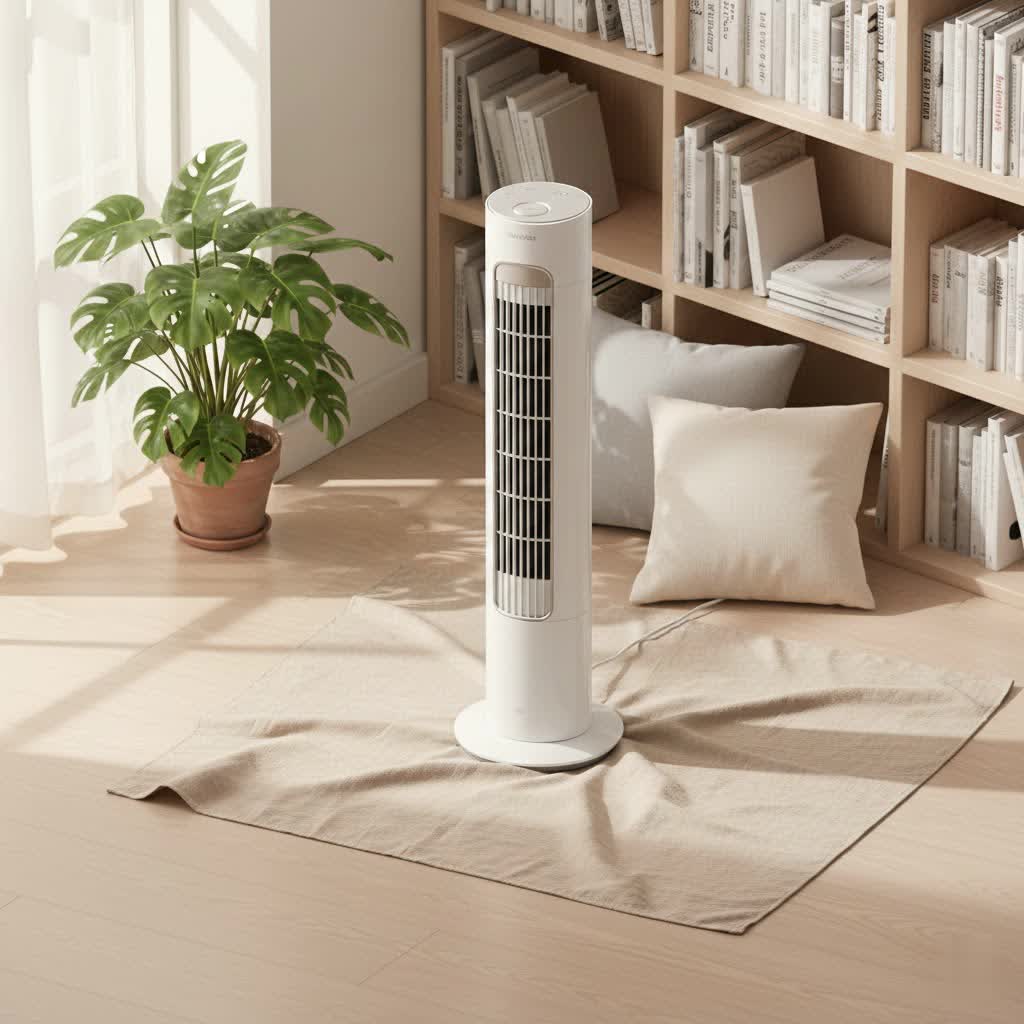
Understanding AC Tower Fans: More Than Just a Breeze
What exactly is an AC tower fan, and how does it provide relief from the heat? Despite the “AC” in its moniker, these devices are fundamentally advanced electric fans, not air conditioning units. They do not employ refrigerants to actively lower room temperature in the same way a traditional air conditioner does. Instead, an AC tower fan primarily works by circulating air to create a wind-chill effect, making you feel cooler by accelerating the evaporation of moisture from your skin.
Some models might offer enhanced cooling features, such as a water tank where ice crystals can be added to cool the water, through which air then passes, providing a slightly cooler breeze via evaporation. This physical cooling effect, however, is localized and differs significantly from the comprehensive room cooling of an air conditioner.
How AC tower fans work revolves around a vertical design. Inside, a cylindrical impeller rotates, drawing air in through rear vents and expelling it through narrow slits at the front. Many models incorporate oscillation, allowing the fan to sweep air across a wider area, distributing the airflow more effectively. This design maximizes airflow while often minimizing noise, making them suitable for various environments, including bedrooms and offices.
Advantages and Disadvantages of AC Tower Fans
Understanding the full scope of an AC tower fan’s capabilities, along with its limitations, is key to determining if it’s the right choice for your home.
Advantages:
- Space-Saving Design: AC tower fans boast a tall, slender profile that occupies minimal floor space, making them ideal for compact rooms or areas with limited room.
- Quiet Operation: Generally, these fans are engineered to operate with a lower noise level than traditional pedestal fans, producing a quiet hum suitable for noise-sensitive environments like bedrooms.
- Even Airflow Distribution: Their vertical design and oscillation capability allow AC tower fans to distribute air evenly across multiple levels of a room, providing a widespread cooling sensation.
- Modern Features: Many models come equipped with convenient features such as remote controls, programmable timers, multiple speed settings, and specialized modes (e.g., sleep, natural breeze, auto-adjust) for enhanced user experience and comfort.
- Energy Efficiency: Compared to air conditioners, tower fans consume significantly less energy, leading to lower electricity bills.
|
Our Picks for the Best Tower Fan in 2026
As an Amazon Associate I earn from qualifying purchases.
|
||
| Num | Product | Action |
|---|---|---|
| 1 | Xcity TP09Pro Bladeless Tower Fan, 3-in-1 Air Purifier, Space Heater & Cooling Fan, HEPA H13 Filtration, Remote & Touch Control, Ultra-Quiet DC Motor for Bedroom & Home Office |

|
| 2 | Tower Heater Fan with 4L Humidifier, 1800W Heating/Cooling, 2 Heat Levels, 3 Fan Speeds, 120° Oscillation, Indoor Space Heater with Timer & Safety Lock |
|
| 3 | Dreo Tower Fan for Bedroom, 4 Speeds, 3 Modes Standing Fans for Room with 90° wide Oscillating, 28dB Quiet for Sleep, 25ft/s Velocity, 29ft Coverage, 8H Timer, Remote, Living Room, Office, Home, Grey |
|
| 4 | LEVOIT Tower Fan for Bedroom, 25ft/s Velocity Standing Fan with 28dB Quiet for Sleep, Remoter, 12H Timer, 5 Speeds, 4 Modes, 90° Oscillation for Home, Office, Indoor, Bladeless 36 inch, White |
|
| 5 | Dreo Tower Fan for Bedroom, 90° Oscillating Standing Fans for Room with 4 Speeds, 3 Modes, 28dB Quiet for Sleep, 25ft/s Velocity, 8H Timer, Remote, Living Room, Office, Home, Black, TF117 - for Bedroom, for Room, for Sleep, 25ft/s Velocity, Living Room, Office, Home, Black |
|
| 6 | LEVOIT Classic 36 inch Tower Fan for Bedroom, 25ft/s Airflow Standing Fan that Blows Cold Air for Home, 90° Oscillation, Quiet 28dB, Remote, 12H Timer, 5 Speeds, 4 Modes with Smart Sensor, Black |
|
| 7 | Dreo Tower Fan for Bedroom, 25ft/s Velocity Quiet Floor Fan, 90° Oscillating Fans for Indoors with 4 Speeds, 4 Modes, 8H Timer, Standing Fans, Bladeless Fan, White, Nomad One (DR-HTF007) |
|
| 8 | Dreo Tower Fan for Bedroom, 4 Speeds, 3 Modes Standing Fans for Room with 90° wide Oscillating, 28dB Quiet for Sleep, 25ft/s Velocity, 29ft Coverage, 8H Timer, Remote, Living Room, Office, Home, White |
|
| 9 | Amazon Basics 28" 60-Degree Oscillating Tower Fan for Bedroom, Living Room, Office, With 3 Speeds, Intuitive Mechanical Control, Black, 35W, 27.8"H x 9.4"D x 9.4"W |
|
| 10 | Dreo Tower Fan for Bedroom, 25ft/s Velocity Quiet Floor Fan, 90° Oscillating Fans for Indoors with 4 Speeds, 4 Modes, 8H Timer, Standing Fans, Bladeless Fan, Black, Nomad One (DR-HTF007) |
|
Disadvantages:
- Limited Cooling Capacity: While they provide a refreshing breeze, AC tower fans do not actively cool a room’s ambient temperature like an air conditioner. Their effect is primarily localized and based on air circulation.
- Higher Initial Cost: AC tower fans, especially those with advanced features or premium designs, can be more expensive than basic traditional fans.
- Regular Cleaning Required: To maintain optimal performance and air quality, tower fans need periodic cleaning to prevent dust buildup on internal components.
- Air Volume: Some tower fans may have less air volume output compared to larger, more traditional fan types, especially cabinet-style fans.
Types of AC Tower Fans Available
The market offers a diverse range of AC tower fans, each with unique features catering to different needs and preferences.
- Basic Tower Fans: These models focus on essential air circulation with multiple speed settings and oscillation, offering straightforward operation and affordability.
- Remote-Controlled Tower Fans: For convenience, these fans include a remote allowing users to adjust settings from a distance, enhancing ease of use.
- Tower Fans with Enhanced Cooling/Mist: Some “AC tower fans” might incorporate a small water tank, sometimes allowing for ice to be added, to provide a slightly cooler, humidified breeze through evaporative principles, though this is not a true air conditioning effect.
- Bladeless Tower Fans: Known for their sleek aesthetics and enhanced safety, particularly around children and pets, bladeless designs circulate air using an internal motor that propels air through a loop amplifier. Dyson is a prominent brand in this category.
- Smart Tower Fans: Integrating with smart home ecosystems, these fans offer features like app control, voice assistant compatibility, and automated settings based on room temperature or schedule.
Top AC Tower Fan Brands and Models
Several brands stand out in the AC tower fan market, each offering a distinct blend of technology, design, and value.
- Dyson: Renowned for its cutting-edge bladeless technology, sophisticated design, and often integrated air purification, Dyson tower fans (e.g., Dyson Purifier Cool Auto React) are premium choices, known for quiet operation and wide oscillation.
- Honeywell: A trusted name in home appliances, Honeywell offers durable tower fans with a good balance of features, quiet operation, and multiple speed settings, like the Honeywell QuietSet HYF290B.
- Lasko: Lasko provides a range of tower fans known for their robust airflow and value, with models like the Lasko Wind Curve or SlimForce offering powerful breezes and useful timers.
- Dreo: Brands like Dreo are gaining popularity for smart features, powerful airflow (e.g., Dreo Nomad One with high CFM), quiet performance, and versatile modes such as Auto and Sleep.
- Levoit: The Levoit ‘Classic’ Tower Fan is often highlighted for its strong performance, built-in temperature sensor, and excellent value, providing effective cooling at an accessible price point.
- Panasonic: Known for reliable home electronics, Panasonic typically offers tower fans with stable quality and straightforward functionality, appealing to those seeking dependable performance.
- Xiaomi: With a focus on minimalist design and smart home integration, Xiaomi tower fans often incorporate smart technology and offer competitive pricing, aligning with modern lifestyle needs.
AC Tower Fan Comparison Table
| Feature | Dyson Tower Fan | Honeywell Tower Fan | Panasonic Tower Fan | Xiaomi Tower Fan |
|---|---|---|---|---|
| Price | Premium (High) | Mid-range | Mid-range | Competitive (Mid-low) |
| Technology | Bladeless, Air Purification | QuietSet, Multiple Speeds | Stable, Reliable | Smart Home Integration |
| Design | Elegant, Modern, Slim | Functional, Durable | Simple, Classic | Minimalist, Sleek |
| Noise Level | Very Low (Quietest) | Low to Medium | Medium | Low |
| Key Advantage | Advanced tech, air quality | Balanced performance, value | Trusted reliability | Smart features, aesthetics |
Choosing the Right AC Tower Fan for Your Home
Selecting the ideal AC tower fan involves considering several factors to match your specific needs and environment.
- Room Size & Cooling Needs: For small to medium spaces or personal cooling, most tower fans are effective. If you need to supplement an existing AC or circulate air in a larger area, look for models with higher Cubic Feet per Minute (CFM) ratings for stronger airflow.
- Budget Considerations: Prices vary widely, from budget-friendly options to premium models with advanced features. Determine how much you’re willing to invest based on desired performance and features.
- Desired Features: Prioritize features that matter most to you. Do you need a remote control, a programmable timer, or specific airflow modes like “sleep” or “natural breeze”? For those with allergies, consider models with air purification (ionizers or filters). Smart features for app or voice control can also enhance convenience.
- Brand Reputation & Warranty: Opt for reputable brands known for quality and good customer support. A solid warranty can provide peace of mind.
- User Reviews: Consult reviews from other users to gain insights into real-world performance, noise levels, and durability of specific models.
“The ideal tower fan seamlessly integrates into your lifestyle, offering not just a breeze, but a tailored cooling experience. Consider how it will fit into your daily routine and complement your existing home environment.” – Admin, ReviewMatee.com, Experienced Tower Fan Technician
Tips for Optimal Use and Maintenance
To ensure your AC tower fan performs efficiently and lasts longer, proper usage and maintenance are essential.
- Strategic Placement: Position the fan in a clear, unobstructed area for optimal air circulation. Avoid placing it directly against walls or furniture that could block airflow.
- Regular Cleaning: Dust can accumulate on the fan’s grilles and internal components, reducing efficiency. Refer to your fan’s manual for cleaning instructions, typically involving wiping down surfaces and carefully vacuuming vents. For models with water tanks, regular cleaning is crucial to prevent mold or bacterial growth.
- Correct Voltage: Always ensure your fan is connected to the correct power supply and voltage specified by the manufacturer to prevent damage.
- Avoid Continuous Operation: While many modern fans are designed for extended use, giving your fan breaks can prolong its lifespan. Utilize timers for automatic shut-off when cooling is no longer needed.
- Proper Storage: When not in use, especially during colder months, store your tower fan in a dry, clean place, ideally in its original packaging or covered to protect it from dust.
AC Tower Fans vs. Other Cooling Solutions
Understanding how AC tower fans stack up against other cooling appliances can help clarify which device best suits your cooling needs.
AC Tower Fan vs. Pedestal Fan
Pedestal fans are traditional, propeller-blade fans typically mounted on a stand. Tower fans, with their vertical design, offer a sleeker aesthetic and take up less floor space. While pedestal fans can often provide a more direct, powerful blast of air, tower fans typically offer wider oscillation and more even air distribution across a vertical plane. Tower fans are also generally quieter and safer due to enclosed blades.
AC Tower Fan vs. Air Conditioner
This is a critical distinction. An air conditioner (AC) actively cools and dehumidifies a room by removing heat using a refrigerant system and expelling that heat outside. This results in a significant and measurable drop in ambient temperature. An AC tower fan, on the other hand, primarily circulates air to create a wind-chill effect, making you feel cooler by enhancing sweat evaporation, but it does not lower the room’s actual temperature (unless it’s an evaporative cooler type with ice water). Air conditioners are more energy-intensive and expensive, while tower fans are energy-efficient, portable, and much more affordable. For true temperature reduction in hot, humid climates, an AC is superior, whereas a tower fan offers personal comfort and improved air circulation.
AC Tower Fan vs. Air Cooler (Evaporative Cooler)
Air coolers, also known as evaporative coolers, work by drawing in hot air, passing it over water-saturated pads, and releasing cooler, humidified air into the room. They require a water supply and are most effective in hot, dry climates, as they add humidity to the air. Some “AC tower fans” might incorporate a basic evaporative cooling mechanism using ice crystals in a water tank. However, dedicated air coolers are typically bulkier and designed for more significant cooling effects than most tower fans, though they also tend to be noisier. Tower fans primarily move air, while air coolers actively cool by evaporation.
Conclusion
AC tower fans offer a stylish, space-efficient, and energy-conscious solution for enhancing comfort in your home or office. While they don’t provide the same refrigerant-based cooling as a traditional air conditioner, their ability to circulate air efficiently, often with quiet operation and smart features, makes them a valuable addition to any living space. By understanding their unique benefits, limitations, and how they compare to other cooling devices, you can confidently select an AC tower fan that perfectly aligns with your personal preferences and environmental needs. Ready to upgrade your comfort? Which specific feature is most important for your ideal cooling experience?
Frequently Asked Questions
What does “AC” in “AC tower fan” truly mean?
The term “AC” in “AC tower fan” is often a marketing descriptor or a misnomer, as these devices are primarily electric fans designed for air circulation, not air conditioning units that use refrigerants to cool air. Some may include features like water tanks for ice to provide a slightly cooler breeze through evaporation, but they do not actively lower ambient room temperature like a true AC.
Are AC tower fans effective in large rooms?
AC tower fans are generally most effective for personal cooling or in small to medium-sized rooms. While their oscillation helps distribute air widely, their ability to create a significant cooling sensation diminishes in very large open spaces where a more powerful fan or an air conditioner might be more suitable.
Can an AC tower fan replace an air conditioner?
No, an AC tower fan cannot replace an air conditioner. An air conditioner actively lowers the room’s temperature and humidity, while an AC tower fan primarily circulates air to create a wind-chill effect, making you feel cooler without changing the actual temperature. They serve different purposes and are often best used together for optimal comfort.
How much energy does an AC tower fan consume compared to an AC?
AC tower fans consume significantly less energy than air conditioners. A typical tower fan might use around 2.4 kWh over a day, whereas an air conditioner can use approximately 3500 watts (3.5 kWh) in just one hour. This makes tower fans a much more energy-efficient and cost-effective cooling option for personal comfort.
Are bladeless tower fans better than traditional tower fans?
Bladeless tower fans, popularized by brands like Dyson, offer a sleek design, enhanced safety (especially for children and pets), and are often quieter. They also tend to have more precise airflow control and integrated air purification features. While generally more expensive, their modern aesthetics and advanced technology can be a significant advantage over traditional tower fans.
