As the days grow warmer, the quest for a cool and comfortable indoor environment intensifies. While air conditioning provides powerful relief, it often comes with a hefty energy bill. This is where an oscillating tower fan steps in as a smart, energy-efficient solution to circulate air and make your space feel dramatically cooler. But with so many options available, how do you sift through the features, brands, and specifications to find the perfect match for your home? This comprehensive guide will equip you with all the expert insights and practical advice needed to select the best oscillating tower fan, ensuring optimal comfort and value.
The Advantages and Disadvantages of Oscillating Tower Fans
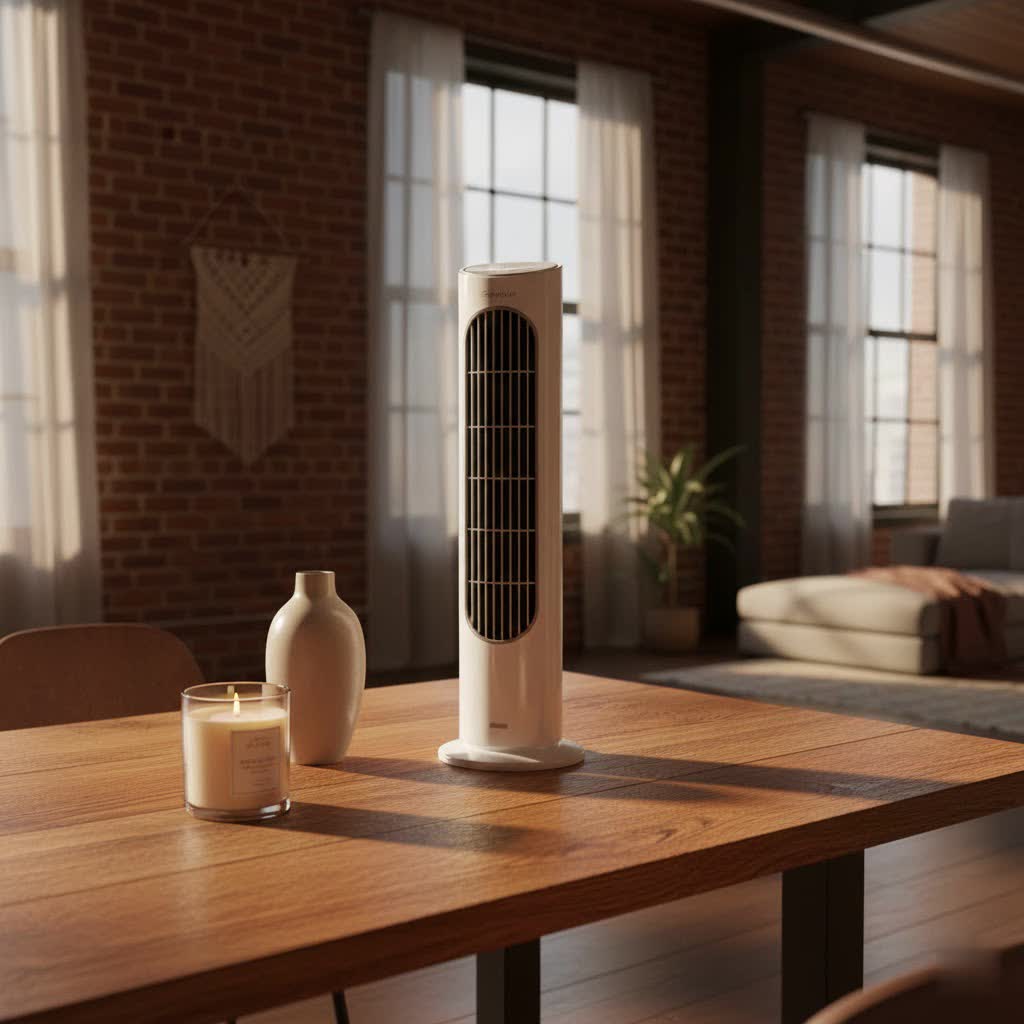
Oscillating tower fans have become a staple in many households, celebrated for their sleek design and effective air circulation. However, like any appliance, they come with a distinct set of pros and cons worth considering before you buy.
Advantages of Oscillating Tower Fans
- Space-Saving Design and Modern Aesthetics: Their tall, slim profile allows them to fit seamlessly into tight corners or discreetly alongside furniture, making them ideal for apartments, bedrooms, and offices where floor space is at a premium. They often boast contemporary designs that complement modern decor.
- Quiet Operation: Many oscillating tower fans are engineered to operate with minimal noise, especially on lower settings. This makes them an excellent choice for bedrooms, nurseries, or home offices where a peaceful environment is crucial for sleep or concentration.
- Energy Efficiency: Compared to power-hungry air conditioning units, tower fans consume significantly less electricity, typically ranging from 50 to 100 watts. This translates to lower energy bills, making them a cost-effective cooling option for extended use.
- Wide Oscillation for Even Air Distribution: A defining feature, oscillation allows the fan to rotate from side to side, sweeping cool air across a broader area. This ensures more even air distribution throughout a room, preventing stagnant hot spots. Some advanced models offer wider oscillation angles and even vertical adjustment for comprehensive coverage.
- Advanced Features: Modern oscillating tower fans often come packed with convenient features such as remote controls, programmable timers, multiple speed settings, different breeze modes (e.g., natural, sleep), and even smart connectivity for app or voice control. Many also include air purification or ionization functions for improved indoor air quality.
|
Our Picks for the Best Tower Fan in 2026
As an Amazon Associate I earn from qualifying purchases.
|
||
| Num | Product | Action |
|---|---|---|
| 1 | Xcity TP09Pro Bladeless Tower Fan, 3-in-1 Air Purifier, Space Heater & Cooling Fan, HEPA H13 Filtration, Remote & Touch Control, Ultra-Quiet DC Motor for Bedroom & Home Office |

|
| 2 | Dreo Tower Fan for Bedroom, 25ft/s Velocity Quiet Floor Fan, 90° Oscillating Fans for Indoors with 4 Speeds, 4 Modes, 8H Timer, Standing Fans, Bladeless Fan, Black, Nomad One (DR-HTF007) |
|
| 3 | Dreo Tower Fan for Bedroom, 4 Speeds, 3 Modes Standing Fans for Room with 90° wide Oscillating, 28dB Quiet for Sleep, 25ft/s Velocity, 29ft Coverage, 8H Timer, Remote, Living Room, Office, Home, Grey |
|
| 4 | LEVOIT Tower Fan for Bedroom, 25ft/s Velocity Standing Fan with 28dB Quiet for Sleep, Remoter, 12H Timer, 5 Speeds, 4 Modes, 90° Oscillation for Home, Office, Indoor, Bladeless 36 inch, White |
|
| 5 | Dreo Tower Fan for Bedroom, 90° Oscillating Standing Fans for Room with 4 Speeds, 3 Modes, 28dB Quiet for Sleep, 25ft/s Velocity, 8H Timer, Remote, Living Room, Office, Home, Black, TF117 - for Bedroom, for Room, for Sleep, 25ft/s Velocity, Living Room, Office, Home, Black |
|
| 6 | Dreo Tower Fan for Bedroom, 4 Speeds, 3 Modes Standing Fans for Room with 90° wide Oscillating, 28dB Quiet for Sleep, 25ft/s Velocity, 29ft Coverage, 8H Timer, Remote, Living Room, Office, Home, White |
|
| 7 | Dreo Tower Fan for Bedroom, 25ft/s Velocity Quiet Floor Fan, 90° Oscillating Fans for Indoors with 4 Speeds, 4 Modes, 8H Timer, Standing Fans, Bladeless Fan, White, Nomad One (DR-HTF007) |
|
| 8 | LEVOIT Classic 36 inch Tower Fan for Bedroom, 25ft/s Airflow Standing Fan that Blows Cold Air for Home, 90° Oscillation, Quiet 28dB, Remote, 12H Timer, 5 Speeds, 4 Modes with Smart Sensor, Black |
|
| 9 | Amazon Basics 28" 60-Degree Oscillating Tower Fan for Bedroom, Living Room, Office, With 3 Speeds, Intuitive Mechanical Control, Black, 35W, 27.8"H x 9.4"D x 9.4"W |
|
| 10 | Tower Heater Fan with 4L Humidifier, 1800W Heating/Cooling, 2 Heat Levels, 3 Fan Speeds, 120° Oscillation, Indoor Space Heater with Timer & Safety Lock |
|
Disadvantages of Oscillating Tower Fans
- Potentially Less Powerful for Very Large Spaces: While excellent for circulation, tower fans might not generate the same sheer volume of airflow as a large pedestal fan or effectively cool extremely large or open-concept rooms on their own. For expansive areas, you might need multiple units or to pair them with an air conditioner.
- Higher Initial Cost for Premium Models: Fans with advanced features, smart capabilities, or renowned brands like Dyson tend to have a higher upfront price tag compared to basic box or pedestal fans.
- Cleaning Can Be More Intricate: Due to their internal grilles and often non-removable parts, cleaning the dust accumulation inside some tower fans can be more challenging than with traditional fan designs, potentially requiring a vacuum with an attachment or compressed air.
- Stability Concerns for Some Models: While most are designed with stable bases, some taller, slimmer models, particularly at budget price points, might feel less sturdy and could pose a tipping hazard, especially in homes with active children or pets.
Popular Types of Oscillating Tower Fans
The market for oscillating tower fans is diverse, offering specialized models to meet various needs and preferences. Understanding the common types can help narrow down your choices.
Standard Oscillating Tower Fans
These are the most common and often the most affordable type, offering essential cooling with side-to-side oscillation, multiple speed settings, and typically a remote control. They provide straightforward, effective air circulation for everyday use.
Smart Oscillating Tower Fans
Integrating with your home’s smart ecosystem, these fans can be controlled via smartphone apps, voice assistants (like Alexa or Google Assistant), and offer advanced scheduling and automation features. They provide ultimate convenience and integrate seamlessly into a connected home.
Bladeless Oscillating Tower Fans
Known for their distinctive, often futuristic design, bladeless fans (like those from Dyson or Shark) eliminate external spinning blades, making them safer for homes with children and easier to clean. They typically produce a smooth, consistent airflow and often come with premium features, though at a higher price point.
Tower Fans with Air Purification
Combining two essential home appliances, these fans not only circulate air but also include HEPA filters or ionizers to capture airborne allergens, pollutants, and odors. They are an excellent choice for individuals with allergies or those looking to improve overall indoor air quality while cooling.
Compact/Mini Oscillating Tower Fans
Designed for personal use or very small spaces like desks, nightstands, or small offices, these fans offer a smaller footprint while still providing adjustable airflow and oscillation. They are typically lightweight and highly portable.
Top Oscillating Tower Fan Brands and Models to Consider
When investing in an oscillating tower fan, certain brands consistently stand out for their innovation, performance, and user satisfaction. Here are some of the leading names and why they might be the right choice for you.
- Dreo: A popular brand recognized for its powerful airflow, quiet operation, and feature-rich designs. Models like the Dreo Nomad One and Pilot Max S frequently receive high praise for their effectiveness and value, often including smart features and digital displays. The Dreo Turbopoly Smart Pedestal Fan offers exceptional horizontal and vertical oscillation.
- Honeywell: A trusted name in home comfort, Honeywell offers reliable and durable tower fans, often highlighting “QuietSet” technology for whisper-quiet operation. The Honeywell QuietSet Whole Room Tower Fan and the compact QuietSet Mini are noted for their performance and affordability, featuring multiple speeds and dimmable LEDs.
- Lasko: Known for providing excellent value, Lasko tower fans often deliver strong airflow and a good range of features at competitive price points. The Lasko Wind Curve Oscillating Tower Fan is a popular choice for its sleek design and effective cooling, while some Lasko models now incorporate smart features.
- Dyson: The pioneer of bladeless fan technology, Dyson offers premium oscillating tower fans that combine elegant design with advanced air purification capabilities. Models like the Dyson Pure Cool TP07 provide superior air quality alongside powerful, quiet airflow, though they represent a significant investment.
- Levoit: Offering a balance of performance and affordability, Levoit tower fans, such as the Levoit Classic Tower Fan, are appreciated for their strong breeze and quiet operation across multiple speed settings, making them a solid choice for everyday cooling.
- Shark: With innovative designs like the Shark TurboBlade Bladeless Tower Fan, this brand focuses on customizable airflow and wide oscillation angles, including unique pivoting vents and adjustable heights, to ensure comprehensive room coverage.
Comparison Table: Leading Oscillating Tower Fans
Choosing an oscillating tower fan involves weighing various features against your specific needs. Here’s a comparative look at some top models across different brands, highlighting key specifications.
| Feature | Dreo Nomad One | Honeywell QuietSet | Lasko Wind Curve | Dyson Pure Cool TP07 | Levoit Classic | Shark TurboBlade |
|---|---|---|---|---|---|---|
| Price Range | Mid-range | Mid-range | Affordable | Premium | Mid-affordable | Mid-Premium |
| Noise Level | Low (e.g., 35-48 dB) | Low (e.g., 26-50 dB) | Mid-Low | Very Low (e.g., <40 dB) | Low | Low |
| Oscillation | 90 degrees | 80-90 degrees | 90 degrees | 350 degrees | 90 degrees | 45/90/180 degrees, horizontal & vertical pivot |
| Airflow (CFM) | High (e.g., 908 CFM) | Good | Good | Very High (>1000 CFM) | Good | Very High |
| Speed Settings | 4 speeds, 4 modes | 8 speeds | 3 speeds | 10 speeds | 12 speeds | 10 speeds, boost mode |
| Smart Features | App control (select models) | Limited | Some (e.g., Aria) | App, voice control | Limited | Limited |
| Other Features | Digital display, timer | Dimmable LED, timer | Wood grain accents, timer | Air purification, remote | Remote, LED display | Adjustable height, remote |
Note: Specific features, CFM, and oscillation ranges can vary slightly between different models within a brand’s lineup. Prices are approximate and subject to change.
How to Choose the Right Oscillating Tower Fan
Selecting the perfect oscillating tower fan requires a thoughtful assessment of your personal cooling requirements and the characteristics of your living space.
Assess Your Cooling Needs and Room Size
Start by considering the size of the room you intend to cool. For small rooms (under 200 sq ft), a standard tower fan with 90-degree oscillation will likely suffice. Medium rooms (200-450 sq ft) might benefit from higher CFM ratings and wider oscillation, while large rooms (over 450 sq ft) may require a fan with a very high CFM and a wide oscillation range (120-180 degrees or more) or even multiple units. The Cubic Feet per Minute (CFM) rating indicates how much air the fan moves, with higher numbers signifying more powerful airflow.
Evaluate Oscillation Range
Oscillation is crucial for distributing air evenly. A 90-degree oscillation is effective for cooling specific areas or when placed in a corner. For broader room coverage, especially if the fan is centrally located, look for models offering 120, 180, or even 350-degree oscillation. Some advanced fans also offer vertical oscillation or adjustable pivots for comprehensive three-dimensional airflow.
Prioritize Noise Levels
If the fan is destined for a bedroom, nursery, or office, noise level is a critical factor. Many tower fans are designed for quiet operation, especially on lower settings. Look for models explicitly advertised as “QuietSet” or with decibel (dB) ratings. Fans operating below 45-50 dB are generally considered quiet, with some premium models achieving levels as low as 25-35 dB, comparable to a whisper. Carl Prouty, a tech expert at Abt Electronics, suggests seeking a fan with a wide range of settings to customize the cooling level, including quiet modes.
Consider Speed Settings and Modes
More speed settings offer greater control over airflow intensity, allowing you to fine-tune your comfort. Beyond basic low, medium, and high, look for fans with additional modes such as “natural breeze” (which simulates outdoor gusts), “sleep mode” (for ultra-quiet, gentle airflow), or “auto mode” (which adjusts speed based on room temperature).
Look for Convenient Features
- Remote Control: Nearly all modern tower fans come with a remote, offering convenience from across the room.
- Timers: Programmable timers allow you to set the fan to turn off automatically after a certain period, saving energy and providing peace of mind, especially when used overnight.
- Smart Features: Wi-Fi connectivity, app control, and voice assistant integration enhance usability and automation, allowing you to control the fan from anywhere.
- Air Purification/Ionization: Some fans include built-in filters to improve indoor air quality by trapping dust, pollen, and other allergens.
Design and Stability
Choose a design that complements your home decor. While most tower fans are sleek, variations in color, finish, and grille design exist. Ensure the fan has a wide, stable base, especially if it will be placed in a high-traffic area or if you have children or pets, to prevent accidental tipping.
Set a Budget
Oscillating tower fans range widely in price, from budget-friendly options under $50 to premium models costing several hundred dollars. Determine your comfortable spending limit and then prioritize the features most important to you within that budget.
Tips for Using and Maintaining Your Oscillating Tower Fan
To maximize the lifespan and efficiency of your oscillating tower fan, proper usage and regular maintenance are essential.
- Optimal Placement: Place your fan in a location where it can effectively circulate air throughout the room. Corners are often ideal for fans with 90-degree oscillation, while wider oscillating fans can be placed against a central wall. Ensure adequate space around the fan for unimpeded airflow.
- Regular Cleaning: Dust can accumulate on the grilles and internal components, reducing airflow and efficiency. Regularly wipe down the exterior and use a vacuum cleaner with a brush attachment or compressed air to clean the intake and exhaust grilles every few weeks. Refer to your owner’s manual for specific cleaning instructions, as some designs may allow for easier access to internal parts.
- Correct Voltage: Always ensure your fan is plugged into an outlet with the correct voltage to prevent damage to the motor or electrical components.
- Avoid Continuous Long Operation: While tower fans are designed for extended use, utilizing timer functions can prolong their lifespan and save energy by ensuring they only run when needed.
- Seasonal Storage: When not in use for extended periods, such as during cooler months, clean the fan thoroughly, unplug it, and store it in a dry, cool place away from direct sunlight and dust.
Oscillating Tower Fans vs. Other Cooling Solutions
Understanding how oscillating tower fans stack up against other common cooling devices can help you make an informed decision for your home.
- Tower Fan vs. Pedestal Fan: Tower fans are generally more compact, quieter, and offer more advanced features and a modern aesthetic. They excel in small to medium spaces. Pedestal fans, with their larger blades and motors, typically deliver a more powerful, direct airflow over a wider area, making them highly effective for larger rooms but often at the cost of increased noise and a larger footprint. Pedestal fans are also generally more stable.
- Tower Fan vs. Air Conditioner: It’s crucial to remember that fans, including tower fans, do not lower the ambient temperature of a room. Instead, they create a wind-chill effect by circulating air, making you feel cooler. Air conditioners actively cool the air and lower the temperature. Tower fans are significantly more energy-efficient and cost-effective than AC units, making them excellent for supplementary cooling or for maintaining comfort in moderately warm conditions. They can also help distribute cool air from an AC unit more effectively.
- Tower Fan vs. Bladeless Fan: Many modern tower fans, particularly premium models from brands like Dyson and Shark, are inherently bladeless in their design. Bladeless technology offers increased safety (no spinning blades to touch) and often makes cleaning easier, as there are fewer internal components to gather dust. They are generally designed for a smoother, less choppy airflow.
Conclusion
Oscillating tower fans offer an intelligent, stylish, and highly functional solution for maintaining comfort in your home or office. Their space-saving design, quiet operation, and ability to distribute air effectively make them an invaluable addition, whether used independently or in conjunction with air conditioning. By carefully considering factors such as room size, oscillation range, noise levels, and desired features, you can confidently select a model that perfectly aligns with your needs and budget. Embrace the consistent, refreshing breeze and transform your living space into a haven of cool comfort.
Which oscillating tower fan will be the perfect addition to your home this season?
Frequently Asked Questions
How do oscillating tower fans work?
Oscillating tower fans typically draw air in from their base or rear, propel it through internal vertical impellers, and then push the cooled air out through a front grille. The oscillation mechanism rotates the fan body side-to-side, ensuring that the airflow is distributed across a wider area of the room, creating a more even cooling effect.
Are oscillating tower fans energy-efficient?
Yes, oscillating tower fans are generally very energy-efficient. They consume significantly less electricity than air conditioning units, typically using between 50 to 100 watts of power. This makes them a cost-effective choice for circulating air and providing personal or room cooling without a major impact on your energy bills.
Can I leave an oscillating tower fan on all night?
Most modern oscillating tower fans are designed with safety features like thermal overload protection, making them safe to leave on overnight. Many models also include a “sleep mode” for quieter operation and a timer function, allowing you to program the fan to turn off automatically after a set period, conserving energy and promoting uninterrupted sleep.
Are tower fans noisy?
Tower fans are generally considered quieter than traditional pedestal or box fans due to their internal design and smaller motors. While noise levels can vary by model and speed setting, many premium and mid-range oscillating tower fans are specifically engineered for quiet operation, with some models producing as little as 25-35 decibels on their lowest settings, which is barely audible.
What is a good oscillation angle for a tower fan?
A good oscillation angle depends on your room size and placement. A 90-degree oscillation is standard and effective for personal cooling or when placed in a room corner. For broader room coverage, especially in larger spaces or when positioned centrally, look for fans with wider oscillation angles like 120, 180, or even 350 degrees to ensure more comprehensive air distribution.
How often should I clean my tower fan?
Regular cleaning is important to maintain optimal performance and air quality. It’s recommended to dust the exterior and grilles every few weeks using a soft cloth or vacuum cleaner with a brush attachment. A more thorough internal cleaning, if accessible, should be done every few months or as needed, especially if you notice reduced airflow or dust buildup. Always consult your fan’s user manual for specific cleaning instructions.
