In the relentless pursuit of home comfort, the humble fan has evolved, stepping into the intelligent era with the advent of smart tower fans. Gone are the days of simple on/off switches; today’s tower fans offer a sophisticated blend of sleek design, powerful airflow, and cutting-edge smart features. If you’re looking to optimize your indoor climate with a device that’s as intuitive as it is efficient, understanding the world of smart tower fans is your first step towards a cooler, more connected living space.
Smart Tower Fans: An Overview of Intelligent Cooling
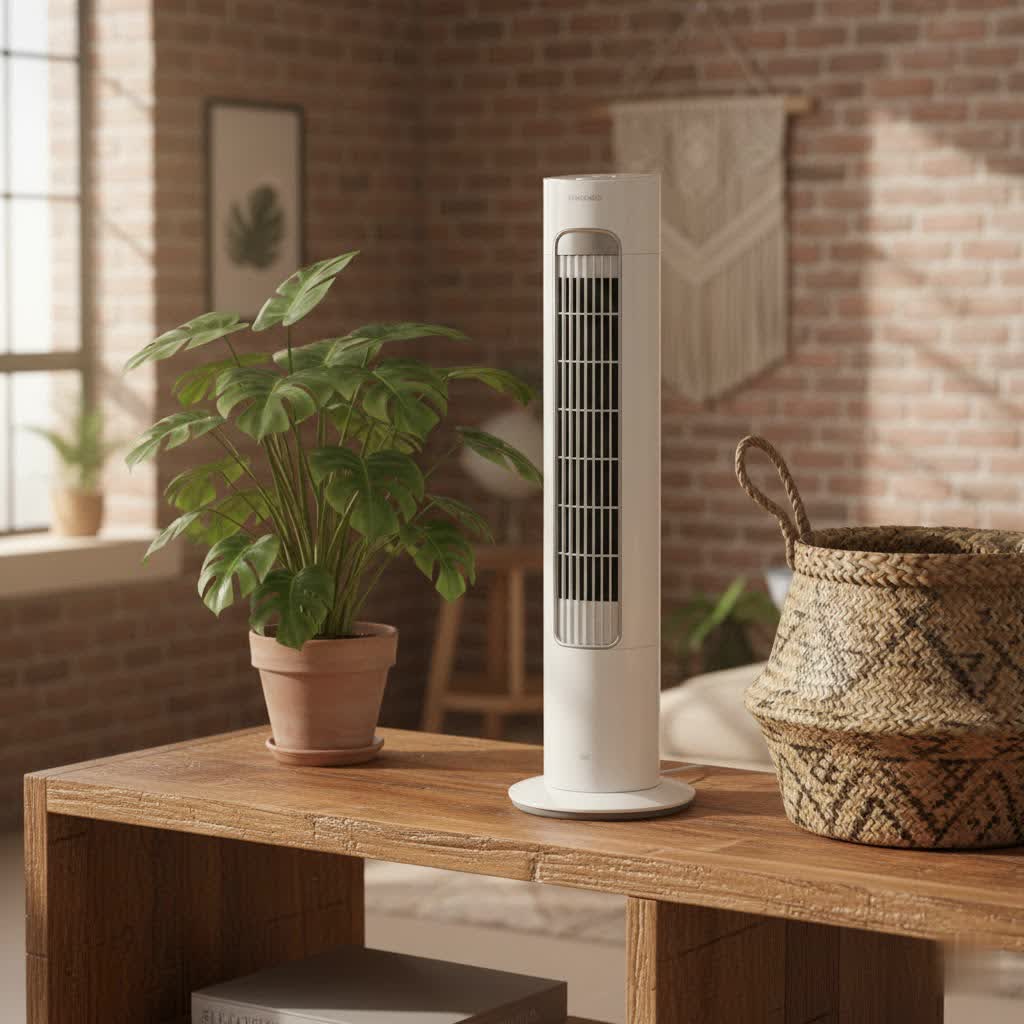
Smart tower fans represent a significant leap forward in personal climate control, integrating seamlessly into modern smart homes. These devices combine the space-saving, quiet operation of traditional tower fans with advanced functionalities like app control, voice assistant compatibility, and intelligent environmental sensors. This evolution offers unprecedented convenience and customization, transforming how we interact with our cooling solutions.
Advantages and Disadvantages of Smart Tower Fans
Smart tower fans bring a host of benefits, making them an appealing choice for tech-savvy homeowners and those seeking enhanced comfort. However, like any advanced appliance, they come with certain considerations.
Advantages:
- Space-Saving Design: Their tall, slender profile occupies minimal floor space, making them ideal for apartments, bedrooms, and offices.
- Quiet Operation: Many smart tower fans are engineered with advanced motor technology (like BLDC motors) to operate at exceptionally low noise levels, often below 30dB, perfect for sleep or work environments.
- Even and Consistent Airflow: Oscillation features distribute air across a wider area, ensuring uniform cooling throughout a room.
- Advanced Smart Features:
- App Control: Manage settings, schedules, and modes directly from your smartphone, even when you’re away from home.
- Voice Assistant Integration: Control your fan hands-free using Amazon Alexa, Google Home, or Apple Siri.
- Customizable Modes: Options like “Sleep,” “Nature,” and “Auto” adjust airflow based on preferences or ambient temperature.
- Scheduling: Program your fan to turn on or off at specific times, aligning with your daily routine or energy-saving goals.
- Temperature Sensing: Some models can detect room temperature and adjust fan speed automatically to maintain comfort.
Disadvantages:
- Higher Price Point: The integration of smart technology typically makes these fans more expensive than their traditional counterparts.
- Limited Cooling in Large Spaces: While powerful, some tower fans might struggle to provide comprehensive cooling in very expansive, open-plan areas, often best suited for personal or zone cooling.
- Reliance on Connectivity: Smart features depend on a stable Wi-Fi connection and may require app setup, which could be a minor hurdle for some users.
- Regular Maintenance: Like all fans, they require periodic cleaning to maintain optimal performance and air quality.
|
Our Picks for the Best Tower Fan in 2026
As an Amazon Associate I earn from qualifying purchases.
|
||
| Num | Product | Action |
|---|---|---|
| 1 | Xcity TP09Pro Bladeless Tower Fan, 3-in-1 Air Purifier, Space Heater & Cooling Fan, HEPA H13 Filtration, Remote & Touch Control, Ultra-Quiet DC Motor for Bedroom & Home Office |

|
| 2 | Tower Heater Fan with 4L Humidifier, 1800W Heating/Cooling, 2 Heat Levels, 3 Fan Speeds, 120° Oscillation, Indoor Space Heater with Timer & Safety Lock |
|
| 3 | Dreo Tower Fan for Bedroom, 25ft/s Velocity Quiet Floor Fan, 90° Oscillating Fans for Indoors with 4 Speeds, 4 Modes, 8H Timer, Standing Fans, Bladeless Fan, White, Nomad One (DR-HTF007) |
|
| 4 | LEVOIT Classic 36 inch Tower Fan for Bedroom, 25ft/s Airflow Standing Fan that Blows Cold Air for Home, 90° Oscillation, Quiet 28dB, Remote, 12H Timer, 5 Speeds, 4 Modes with Smart Sensor, Black |
|
| 5 | Dreo Tower Fan for Bedroom, 4 Speeds, 3 Modes Standing Fans for Room with 90° wide Oscillating, 28dB Quiet for Sleep, 25ft/s Velocity, 29ft Coverage, 8H Timer, Remote, Living Room, Office, Home, Grey |
|
| 6 | Dreo Tower Fan for Bedroom, 4 Speeds, 3 Modes Standing Fans for Room with 90° wide Oscillating, 28dB Quiet for Sleep, 25ft/s Velocity, 29ft Coverage, 8H Timer, Remote, Living Room, Office, Home, White |
|
| 7 | Dreo Tower Fan for Bedroom, 90° Oscillating Standing Fans for Room with 4 Speeds, 3 Modes, 28dB Quiet for Sleep, 25ft/s Velocity, 8H Timer, Remote, Living Room, Office, Home, Black, TF117 - for Bedroom, for Room, for Sleep, 25ft/s Velocity, Living Room, Office, Home, Black |
|
| 8 | Amazon Basics 28" 60-Degree Oscillating Tower Fan for Bedroom, Living Room, Office, With 3 Speeds, Intuitive Mechanical Control, Black, 35W, 27.8"H x 9.4"D x 9.4"W |
|
| 9 | LEVOIT Tower Fan for Bedroom, 25ft/s Velocity Standing Fan with 28dB Quiet for Sleep, Remoter, 12H Timer, 5 Speeds, 4 Modes, 90° Oscillation for Home, Office, Indoor, Bladeless 36 inch, White |
|
| 10 | Dreo Tower Fan for Bedroom, 25ft/s Velocity Quiet Floor Fan, 90° Oscillating Fans for Indoors with 4 Speeds, 4 Modes, 8H Timer, Standing Fans, Bladeless Fan, Black, Nomad One (DR-HTF007) |
|
Popular Types of Smart Tower Fans on the Market
The smart tower fan market is diverse, offering various models tailored to different needs and preferences.
- App-Controlled (Wi-Fi Enabled) Fans: These are the most common, allowing full control via a dedicated smartphone application. This includes power, speed, modes, oscillation, and scheduling.
- Voice Assistant Compatible Fans: Designed to integrate with smart home ecosystems like Amazon Alexa and Google Home, enabling hands-free control through voice commands.
- Fans with Environmental Sensors: Some advanced models include built-in temperature or humidity sensors, allowing the fan to automatically adjust its settings to optimize comfort.
- Brushless DC (BLDC) Motor Fans: These fans use advanced motors that are not only significantly quieter but also more energy-efficient and durable than traditional AC motors.
- Air Purifying Tower Fans: Certain high-end models, often from brands like Dyson, combine a fan with a HEPA filter, offering both cooling and air purification capabilities.
Comparing Leading Smart Tower Fan Brands
The market features several prominent brands, each bringing its unique strengths to the smart tower fan category.
- Dreo: A strong contender, known for its powerful yet remarkably quiet BLDC motor fans. Models like the Dreo Pilot Max S and 519S boast extensive smart controls via app and voice, multiple speeds, custom modes (sleep, nature, auto), and wide oscillation for comprehensive room coverage. They often emphasize energy efficiency and sleek, modern designs.
- Honeywell: A well-established brand in home comfort, Honeywell offers durable and reliable tower fans, often featuring a good balance of traditional functionality with smart enhancements like Wi-Fi connectivity and remote control.
- Lasko: Lasko provides powerful and generally quiet tower fans. While some Lasko smart models offer app and voice control, their “smartness” might be more basic, focusing on scheduling rather than advanced environmental adjustments, making them a good option for those seeking fundamental smart features without a premium price tag.
- Dyson: At the premium end, Dyson’s tower fans are renowned for their bladeless design, advanced air purification capabilities (HEPA filters), sophisticated aesthetics, and powerful air projection. They integrate smart features for monitoring air quality and remote control, though they come with a higher investment.
- Xiaomi: Known for its minimalist design and integration into a broader smart home ecosystem, Xiaomi offers competitively priced smart tower fans that often feature app control and quiet operation, appealing to those seeking smart features with a modern aesthetic.
Smart Tower Fan Comparison Table
| Feature | Dreo Smart Tower Fan (e.g., Pilot Max S) | Honeywell Smart Tower Fan | Lasko Aria Smart Tower Fan | Dyson Tower Fan (e.g., Cool/Purifier) | Xiaomi Smart Tower Fan |
|---|---|---|---|---|---|
| Price | Mid-range | Mid-range | Mid-range to High-mid | Premium to Luxury | Competitive |
| Technology | BLDC motor, advanced airflow | Reliable, balanced | Standard, effective | Bladeless, Air Purification, advanced | Smart Home Integration |
| Design | Modern, sleek | Functional, diverse | Modern, straightforward | Futuristic, premium | Minimalist, compact |
| Noise Level | Very Low (e.g., 25-50dB) | Medium | Low to Medium | Low | Low |
| Durability | High | High | Good | High | Good |
| Smart Features | App, Voice, Auto, Scheduling, Temp. Sensing | App, Remote, Scheduling | App, Voice, Scheduling | App, Voice, Air Quality, Auto, Scheduling | App, Smart Home Link |
Choosing the Right Smart Tower Fan for Your Home
Selecting the ideal smart tower fan involves a thoughtful assessment of your specific needs and priorities.
- Determine Your Usage Needs: Consider the size of the room you intend to cool. For a small bedroom, a compact and ultra-quiet model with a sleep mode is ideal. For a larger living area, look for powerful airflow, wider oscillation, and robust smart features for seamless integration. Do you need it purely for cooling, or would you benefit from features like air purification or humidification?
- Set a Budget: Smart tower fans vary significantly in price. Establish how much you are willing to spend, keeping in mind that higher-end models often offer more advanced features, quieter operation, and greater durability.
- Prioritize Essential Features:
- Control Options: Do you prefer app control, voice commands, a physical remote, or a combination?
- Oscillation: Wider oscillation angles (e.g., 90-120 degrees) cover more area.
- Speed and Mode Settings: More options provide greater customization for comfort.
- Noise Level: If using in a bedroom or office, look for models with very low decibel ratings, especially in sleep mode.
- Energy Efficiency: BLDC motors and intelligent “Auto” modes can save on electricity costs.
- Additional Features: Consider timers, child locks, or built-in air quality sensors if they align with your needs.
- Research Brands and Reviews: Opt for reputable brands known for quality and customer support. Read user reviews and expert comparisons to gain insights into real-world performance and reliability.
Tips for Using and Maintaining Your Smart Tower Fan
Proper usage and regular maintenance will ensure your smart tower fan operates efficiently and extends its lifespan.
- Optimal Placement: Position your fan in a clear, unobstructed area to allow for maximum airflow and oscillation. Avoid placing it directly against walls or near curtains that could block air intake or exhaust. Placing it near an open window or an air conditioner can enhance its cooling effect by circulating fresh or cooled air.
- Regular Cleaning: Dust and debris can accumulate on the fan’s grilles and internal components, reducing efficiency and potentially impacting air quality. Many tower fans feature removable rear covers or internal rollers that can be easily detached and washed. Clean these parts every few weeks if used daily, ensuring they are completely dry before reassembling. A soft brush or vacuum cleaner attachment can help remove dust from non-removable grilles.
- Use Correct Voltage: Always ensure your fan is connected to a power outlet with the correct voltage as specified by the manufacturer to prevent damage.
- Avoid Continuous Long Operation: While modern fans are built for durability, giving your fan occasional breaks, especially during extreme heat, can help prolong its motor life. Utilize scheduling features to automatically turn the fan off during periods when it’s not needed.
- Off-Season Storage: When not in use, store your smart tower fan in a dry, cool place, preferably in its original packaging or covered to protect it from dust.
Smart Tower Fans vs. Other Cooling Solutions
Understanding how smart tower fans compare to other common cooling devices can help you make an informed decision for your space.
- Smart Tower Fan vs. Pedestal Fan: Pedestal fans are generally more portable and can offer direct, powerful airflow, often at a lower cost. However, smart tower fans excel in aesthetics, taking up less floor space, operating more quietly, and offering advanced smart features like app and voice control. They are ideal for discreet, whole-room air circulation rather than highly localized, intense airflow.
- Smart Tower Fan vs. Air Conditioner: An air conditioner actively cools the air by removing heat and humidity, making it the most effective solution for significantly lowering room temperature. Smart tower fans, conversely, circulate existing air to create a wind-chill effect, providing a sense of coolness without altering the ambient temperature. While an AC unit consumes much more energy, a smart tower fan is an energy-efficient alternative for moderate cooling, improving air circulation, or supplementing an AC to distribute cool air more effectively. For optimal results, use a smart tower fan to enhance air movement in an air-conditioned room, allowing you to potentially raise the AC thermostat setting and save energy.
> “Smart tower fans are game-changers for personalized comfort. Their ability to integrate with smart home ecosystems means you can customize your cooling experience with unprecedented ease, whether it’s setting schedules or adjusting airflow with a simple voice command.” – Alexandra Chen, Smart Home Technology Expert
Conclusion
Smart tower fans offer a compelling blend of style, efficiency, and intelligence, making them an indispensable addition to any modern home. From their sleek, space-saving designs to their advanced smart features like app and voice control, they deliver a customizable and convenient cooling experience. While they present a slightly higher initial investment than traditional fans, the benefits of quiet operation, energy efficiency, and seamless integration into your smart home ecosystem often outweigh the cost. By considering your specific needs, prioritizing key features, and selecting a reputable brand, you can find the perfect smart tower fan to elevate your comfort and optimize your living space.
Are you ready to embrace the future of personal cooling?
Frequently Asked Questions
What makes a tower fan “smart” compared to a regular one?
A smart tower fan differentiates itself by incorporating connectivity, typically via Wi-Fi or Bluetooth, allowing control through a smartphone app or voice assistants like Alexa and Google Home. This enables advanced features such as scheduling, customizable modes, temperature sensing, and remote operation, offering greater convenience and automation than a basic fan.
Are smart tower fans energy-efficient?
Yes, many smart tower fans, especially those utilizing BLDC (Brushless DC) motors, are designed to be highly energy-efficient. Their smart features, such as “Auto” modes that adjust speed based on room temperature and scheduling options, further contribute to energy savings by ensuring the fan only operates when and how it’s needed.
Can I control my smart tower fan from outside my home?
Absolutely. One of the key benefits of smart tower fans with Wi-Fi connectivity is the ability to control them remotely through their dedicated smartphone apps. This means you can turn your fan on or off, adjust settings, or set schedules from anywhere, ensuring your home is comfortable when you arrive.
Are smart tower fans noisy?
Not typically. Modern smart tower fans, particularly those with BLDC motors, are engineered for quiet operation. Many models boast noise levels as low as 25-50 decibels, making them suitable for bedrooms, nurseries, or home offices where minimal sound disruption is crucial. Look for specific dB ratings when purchasing if quietness is a priority.
