As the summer heat intensifies, finding an effective yet elegant cooling solution for your home becomes a top priority. While traditional fans offer a basic breeze, tower fans stand out with their sleek design, space-saving footprint, and an array of modern features that promise to transform your indoor comfort. This comprehensive guide will navigate the world of tower fans, providing you with expert insights and practical advice to help you choose the perfect model, maximize its performance, and keep your living spaces comfortably cool. Let’s explore how these vertical powerhouses can elevate your home cooling strategy.
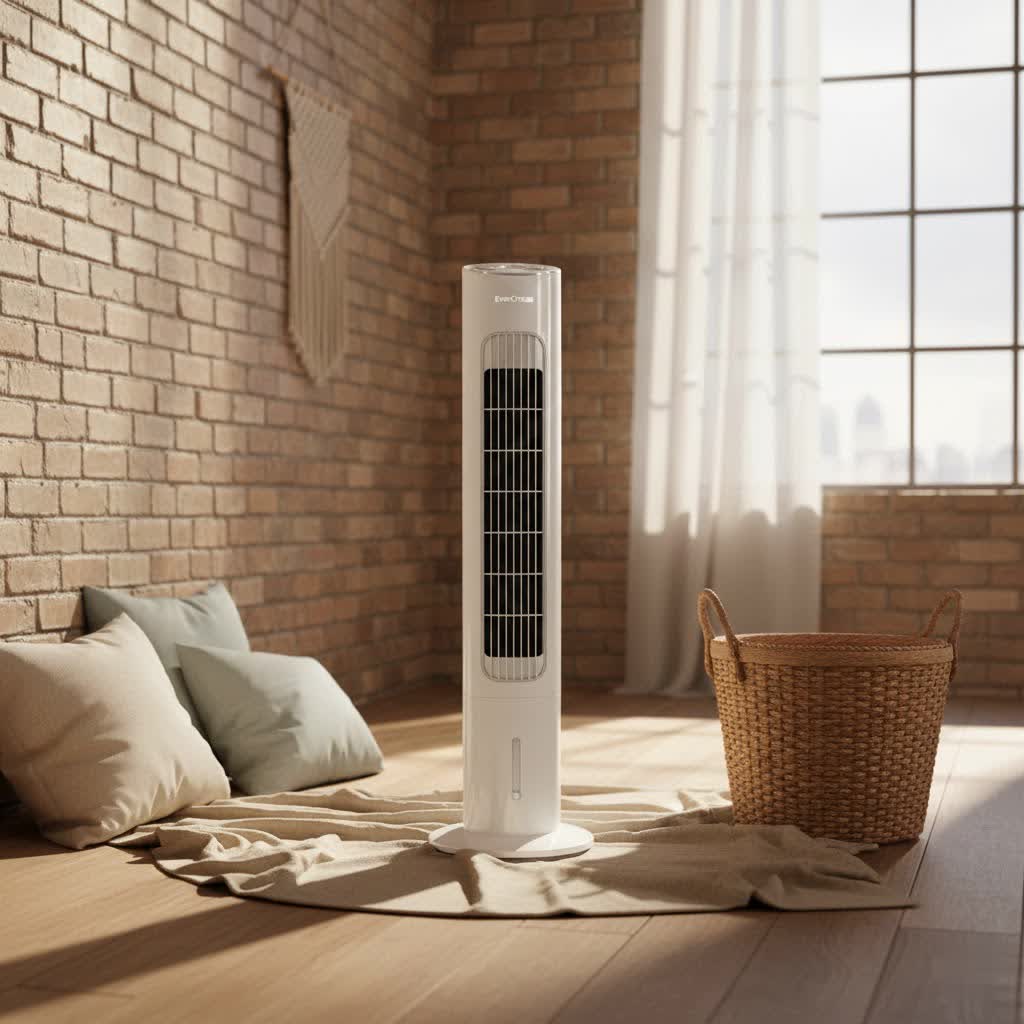
Tower Fans: An Effective Cooling Solution for Modern Homes
Tower fans have become a popular choice for homeowners seeking efficient air circulation without compromising on aesthetics. Their vertical design allows them to deliver a wide sweep of airflow, making them highly effective in various room settings. Beyond just moving air, many contemporary tower fans incorporate advanced technologies that enhance their cooling capabilities and user experience.
Advantages and Disadvantages of Tower Fans
Tower fans offer a compelling blend of form and function, but like any appliance, they come with their own set of pros and cons. Understanding these can help you determine if a tower fan is the right fit for your home.
-
Advantages:
- Compact, Space-Saving Design: Their tall, slender profile occupies minimal floor space, making them ideal for smaller rooms or tight corners.
- Quiet Operation: Many modern tower fans are engineered for quiet performance, offering a gentle hum that can even serve as pleasant white noise for sleeping.
- Even and Stable Airflow: With oscillation features, tower fans distribute air widely across a room, ensuring consistent cooling.
- Advanced Features: Options like remote controls, programmable timers, multiple speed settings, and specialized modes (e.g., sleep, natural breeze) enhance convenience. Some even include air purification capabilities.
- Aesthetically Pleasing: Their contemporary design often blends seamlessly with modern home decor.
-
Disadvantages:
- Higher Price Point: Tower fans typically cost more than basic box or pedestal fans due to their design and integrated technology.
- Cooling Capacity Limitations: While great for personal cooling and air circulation, their ability to significantly drop the ambient temperature in very large, open spaces might be limited compared to air conditioners.
- Requires Regular Cleaning: The internal components and grilles can accumulate dust, necessitating periodic cleaning to maintain optimal airflow and efficiency.
|
Our Picks for the Best Tower Fan in 2026
As an Amazon Associate I earn from qualifying purchases.
|
||
| Num | Product | Action |
|---|---|---|
| 1 | Dreo Tower Fan for Bedroom, 25ft/s Velocity Quiet Floor Fan, 90° Oscillating Fans for Indoors with 4 Speeds, 4 Modes, 8H Timer, Standing Fans, Bladeless Fan, Black, Nomad One (DR-HTF007) |

|
| 2 | LEVOIT Classic 36 inch Tower Fan for Bedroom, 25ft/s Airflow Standing Fan that Blows Cold Air for Home, 90° Oscillation, Quiet 28dB, Remote, 12H Timer, 5 Speeds, 4 Modes with Smart Sensor, Black |
|
| 3 | Amazon Basics 28" 60-Degree Oscillating Tower Fan for Bedroom, Living Room, Office, With 3 Speeds, Intuitive Mechanical Control, Black, 35W, 27.8"H x 9.4"D x 9.4"W |
|
| 4 | Dreo Tower Fan for Bedroom, 90° Oscillating Standing Fans for Room with 4 Speeds, 3 Modes, 28dB Quiet for Sleep, 25ft/s Velocity, 8H Timer, Remote, Living Room, Office, Home, Black, TF117 - for Bedroom, for Room, for Sleep, 25ft/s Velocity, Living Room, Office, Home, Black |
|
| 5 | Dreo Tower Fan for Bedroom, 4 Speeds, 3 Modes Standing Fans for Room with 90° wide Oscillating, 28dB Quiet for Sleep, 25ft/s Velocity, 29ft Coverage, 8H Timer, Remote, Living Room, Office, Home, White |
|
| 6 | Tower Heater Fan with 4L Humidifier, 1800W Heating/Cooling, 2 Heat Levels, 3 Fan Speeds, 120° Oscillation, Indoor Space Heater with Timer & Safety Lock |
|
| 7 | Dreo Tower Fan for Bedroom, 4 Speeds, 3 Modes Standing Fans for Room with 90° wide Oscillating, 28dB Quiet for Sleep, 25ft/s Velocity, 29ft Coverage, 8H Timer, Remote, Living Room, Office, Home, Grey |
|
| 8 | Xcity TP09Pro Bladeless Tower Fan, 3-in-1 Air Purifier, Space Heater & Cooling Fan, HEPA H13 Filtration, Remote & Touch Control, Ultra-Quiet DC Motor for Bedroom & Home Office |
|
| 9 | Dreo Tower Fan for Bedroom, 25ft/s Velocity Quiet Floor Fan, 90° Oscillating Fans for Indoors with 4 Speeds, 4 Modes, 8H Timer, Standing Fans, Bladeless Fan, White, Nomad One (DR-HTF007) |
|
| 10 | LEVOIT Tower Fan for Bedroom, 25ft/s Velocity Standing Fan with 28dB Quiet for Sleep, Remoter, 12H Timer, 5 Speeds, 4 Modes, 90° Oscillation for Home, Office, Indoor, Bladeless 36 inch, White |
|
Popular Types of Tower Fans on the Market
The diversity in tower fan technology means there’s a model to suit nearly every need and budget. From straightforward cooling to advanced air treatment, here are some common types you’ll encounter.
- Basic Tower Fans: These models focus on core functionality, offering multiple speeds and oscillation at an affordable price. They are simple to operate, often with manual controls, and are a great entry point into the world of tower fans.
- Remote-Controlled Tower Fans: Adding a layer of convenience, these fans allow you to adjust settings from a distance, perfect for when you’re relaxing on the couch or in bed. This feature is nearly standard in most mid-range and high-end models today.
- Smart Tower Fans: Integrating with smart home ecosystems, these fans can be controlled via smartphone apps or voice assistants. They often offer advanced scheduling, personalized settings, and even integrate with smart thermostats for automated comfort.
- Air Purifying Tower Fans: Combining cooling with air quality improvement, these fans feature built-in filters (like HEPA filters) to capture dust, allergens, and pollutants. Brands like Dyson are well-known for their air purifying tower fans, offering a dual benefit.
- Bladeless Tower Fans: Characterized by their distinct, exposed “loop” design and lack of visible blades, these fans offer a smooth, consistent airflow. They are often considered safer for homes with children and pets, and their design makes them easier to clean.
Comparing Leading Tower Fan Brands
The tower fan market is robust, with several brands vying for your attention. Each offers unique selling propositions, from cutting-edge technology to robust reliability.
- Dyson: Renowned for innovative, bladeless designs and advanced air purification technology. Dyson fans are premium products offering powerful, quiet airflow and often come with smart features and sleek aesthetics. They tend to be on the higher end of the price spectrum.
- Honeywell: A trusted name in home appliances, Honeywell offers durable and feature-rich tower fans. They are particularly known for their “QuietSet” technology, providing various speed settings with reduced noise, making them ideal for bedrooms. Honeywell models generally offer good value for their features.
- Lasko: Lasko provides a wide range of affordable and functional tower fans. They are a popular choice for budget-conscious buyers, offering essential cooling features, oscillation, and often convenient carrying handles for portability.
- Dreo: An emerging brand that has gained popularity for its powerful airflow, quiet operation, and smart features. Dreo tower fans often feature modern designs and offer a strong balance of performance and competitive pricing.
- Levoit: Levoit specializes in air quality products and offers tower fans that combine strong airflow with smart functionality and sleek, user-friendly designs. Many of their models boast high CFM ratings and quiet performance.
- Vornado: Vornado stands out for its unique “Vortex Action” technology, designed to circulate air throughout an entire room, rather than just blowing air directly. While their aesthetic might be less “tower-like” in some models, their focus on whole-room circulation is a key differentiator.
Tower Fan Comparison Table
To give you a clearer picture, here’s a comparison of key features across some leading tower fan brands:
| Feature | Dyson Tower Fan | Honeywell Tower Fan | Lasko Tower Fan | Dreo Tower Fan | Levoit Tower Fan |
|---|---|---|---|---|---|
| Price | High | Mid | Low-Mid | Mid | Mid |
| Technology | Innovative, Air Purif. | Reliable, QuietSet | Basic, Functional | Powerful Airflow, Smart | Strong Airflow, Smart |
| Design | Premium, Bladeless | Functional, Durable | Practical | Sleek, Modern | Modern, Compact |
| Noise Level | Low | Low-Medium | Medium | Low | Low |
| Special Features | HEPA filter, App | Quiet settings, Timer | Oscillating, Handle | Multiple modes/speeds | Auto mode, Display |
How to Choose the Right Tower Fan
Selecting the perfect tower fan involves more than just picking the first one you see. Consider these factors to ensure your new fan meets your specific cooling demands.
- Assess Your Cooling Needs: Start by evaluating the size of the room where the fan will be used. For smaller rooms (under 200 sq ft), a fan with 3,000 CFM or less will suffice, while larger spaces might require 4,000-6,000 CFM for optimal circulation. Also, consider the purpose: is it for primary cooling, supplementary airflow, or creating white noise?
- Budget: Tower fan prices can vary significantly. Determine how much you’re willing to spend, keeping in mind that higher prices often correlate with more features and advanced technology. There are excellent options across all price points.
- Key Features: Prioritize features that matter most to you. Look for adjustable oscillation ranges to cover wide areas, multiple speed settings for customized airflow, and remote controls for convenience. Timers are great for energy saving, and smart connectivity can integrate with your smart home. If air quality is a concern, consider models with built-in air purifiers or ionizers.
- Brand Reputation & Warranty: Opt for reputable brands known for quality and customer support. A good warranty offers peace of mind and protection for your investment.
- Read Reviews: Customer and expert reviews provide invaluable insights into a fan’s real-world performance, noise levels, and durability. “Always check user feedback for any recurring issues or standout benefits before making a final decision,” advises Carl Prouty, a tech expert.
Tips for Using and Maintaining Your Tower Fan
Proper use and maintenance will extend the life of your tower fan and ensure it continues to provide efficient cooling.
- Optimal Placement: Place your tower fan in a strategic location to maximize airflow. Corners are often effective, allowing the fan to oscillate and distribute air across the room without obstruction. Avoid placing it directly against walls or furniture.
- Regular Cleaning: Dust can quickly accumulate on the grilles and internal components, reducing airflow and efficiency. Use a soft brush attachment on a vacuum cleaner or a compressed air can to clean the intake and exhaust vents regularly. If your fan has filters, clean or replace them as recommended by the manufacturer.
- Proper Electrical Use: Always plug your fan into an appropriate electrical outlet, ensuring it matches the specified voltage requirements to prevent damage or safety hazards.
- Avoid Overuse: While durable, continuous operation for extended periods can strain the motor. Give your fan occasional breaks, especially during peak usage, to prolong its lifespan.
- Seasonal Storage: When not in use, store your tower fan in a dry, dust-free environment. Covering it with a cloth or its original packaging can protect it from dust and potential damage during off-season storage.
Tower Fans vs. Other Fan Types
Understanding how tower fans stack up against other cooling devices can help you make an informed decision for your specific environment.
- Tower Fan vs. Pedestal/Box Fan: Tower fans typically have a smaller footprint and a more modern aesthetic compared to bulkier box fans or pedestal fans. While box fans might offer a raw blast of air, tower fans excel at oscillating and distributing air more evenly across a wider area. Pedestal fans offer height adjustment but often lack the sleek design and advanced features of many tower fans. Additionally, “tower fans generally take up less space than box fans, which makes them perfect if you need a space-saving cooling option,” notes CNET.
- Tower Fan vs. Portable Air Conditioner: This is a comparison of different cooling mechanisms. Tower fans circulate existing air, creating a wind-chill effect, but do not actively lower the room’s temperature. Portable air conditioners, on the other hand, use refrigeration to remove heat and humidity, making them much more effective at cooling down a hot room. Portable ACs are also significantly more expensive to purchase and operate, consume more energy, and require an exhaust vent. For supplementary cooling or air circulation, a tower fan is sufficient and energy-efficient. For substantial temperature reduction, a portable air conditioner is necessary.
Conclusion
Tower fans offer a sophisticated and efficient solution for keeping your home cool and comfortable, especially during warmer months. Their blend of compact design, quiet operation, and an array of smart features makes them a superior alternative to traditional fans for many households. By considering your specific needs, researching features, and investing in a reputable brand, you can select a tower fan that not only enhances your comfort but also complements your home’s aesthetic. Remember, a well-chosen tower fan is more than just a cooling device; it’s an integral part of your modern living space, ensuring a serene and refreshing environment. Are you ready to upgrade your cooling experience and embrace the sleek efficiency of a tower fan?
Frequently Asked Questions
Are tower fans effective for cooling large rooms?
Tower fans are generally best suited for small to medium-sized rooms. While they provide excellent air circulation and a noticeable cooling effect, their ability to drastically lower the ambient temperature in very large or open-plan spaces can be limited. For larger rooms, look for models with higher CFM (cubic feet per minute) ratings and wide oscillation for better coverage.
How do tower fans compare in noise level to other fans?
Many tower fans are designed with quiet operation in mind, often featuring “sleep modes” or “QuietSet” technologies that produce minimal noise, making them ideal for bedrooms. While traditional box fans can be quite loud, some pedestal fans can also be quiet. However, modern tower fans generally offer a better balance of quietness and effective air movement compared to many other fan types.
Can tower fans purify the air?
Yes, some advanced tower fans come with integrated air purification systems, often featuring HEPA filters to capture airborne particles like dust, pollen, and pet dander. These models provide a dual benefit of circulating air and improving indoor air quality. Additionally, some fans may include an ionizer to help reduce dust and dirt.
What is the ideal placement for a tower fan?
The ideal placement for a tower fan is usually in a corner or against a wall, allowing its oscillation feature to sweep air across the widest possible area of the room without obstruction. Ensure there’s enough space around the fan for unimpeded air intake and exhaust. Placing it near a window can help draw in fresh air or push out stale air.
How often should I clean my tower fan?
The frequency of cleaning depends on usage and your home environment. As a general rule, it’s recommended to clean the exterior grilles and vents every 2-4 weeks, especially during periods of heavy use. A more thorough internal cleaning (if accessible) should be done every few months to prevent dust buildup and maintain optimal performance and airflow.
Are bladeless tower fans safer for children?
Yes, bladeless tower fans are generally considered safer for households with children and pets because they lack external, fast-moving blades. The fan mechanism is housed internally, making it impossible for curious fingers or paws to come into contact with spinning components. This design also often makes them easier to clean.
