In the relentless grip of summer, finding an effective yet convenient way to stay cool is paramount. While traditional fans offer a basic breeze, the modern tower fan, especially those equipped with a remote control, elevates home cooling to a new level of comfort and sophistication. Imagine effortlessly adjusting your airflow from the couch, your bed, or even across the room – a luxury that transforms your living space into an oasis of calm. This guide delves into the world of remote-controlled tower fans, helping you navigate their features, benefits, and how to choose the perfect model to optimize your indoor climate.
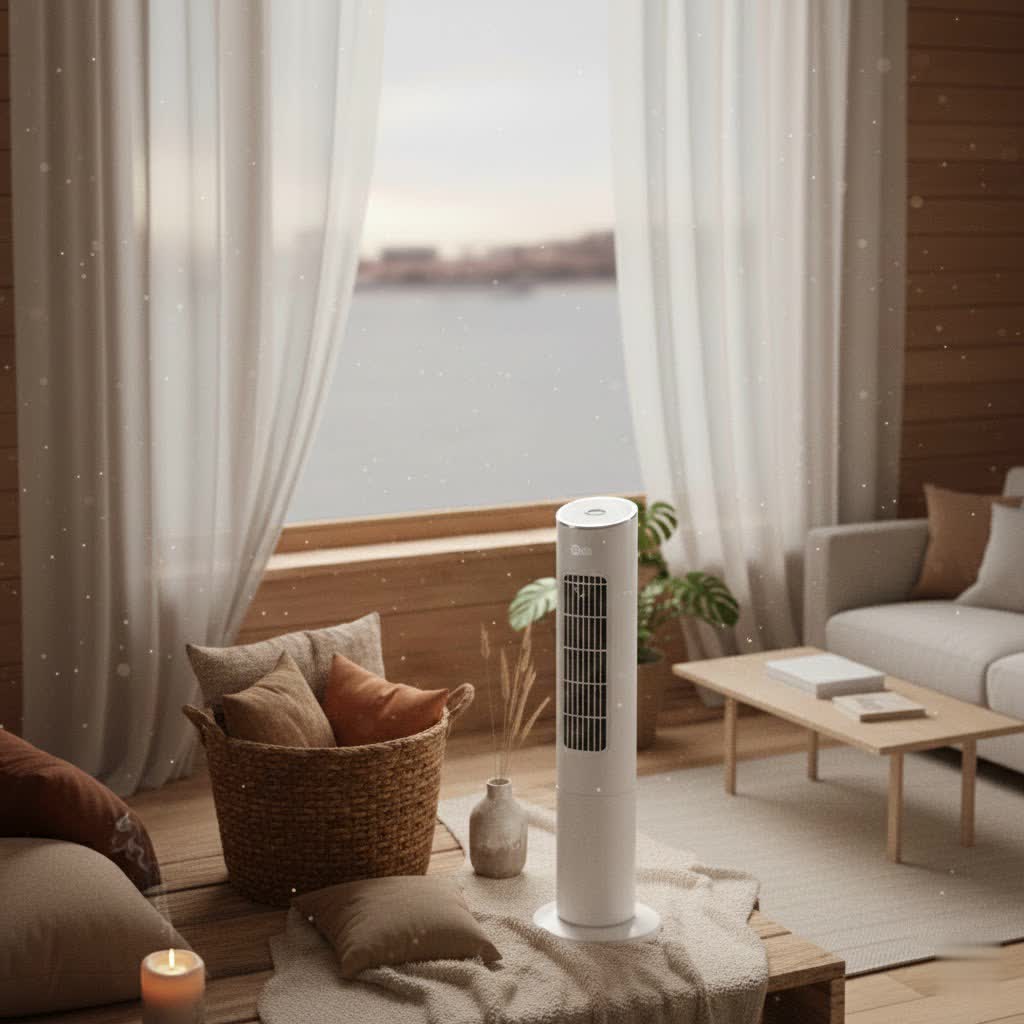
Tower Fan: Your Efficient Cooling Partner for the Warmer Months
Tower fans have become a staple in contemporary homes, celebrated for their sleek design and effective air circulation. Far from being just another appliance, they offer a blend of style, performance, and user-friendly features designed to enhance your comfort without disrupting your decor or daily routine.
Advantages and Disadvantages of Tower Fans
Every cooling solution comes with its unique set of pros and cons, and tower fans are no exception. Understanding these can help you determine if a tower fan, particularly one with remote control capabilities, is the right fit for your cooling needs.
- Advantages:
- Space-Saving Design: Their tall, slim profile allows them to fit seamlessly into tight corners or narrow spaces, making them ideal for apartments, bedrooms, or offices where floor space is at a premium.
- Quiet Operation: Many tower fans are engineered to operate at lower decibel levels, providing a gentle hum or even near-silent performance, perfect for undisturbed sleep or concentration.
- Even and Consistent Airflow: Utilizing internal impellers and vertical air distribution, tower fans offer a wide sweep of air through oscillation, ensuring a more uniform cooling effect across a room compared to fans with exposed blades.
- Advanced Features: Beyond basic cooling, modern tower fans often include oscillation control, multiple speed settings, programmable timers, various fan modes (e.g., natural breeze, sleep mode), and crucially, remote control for unparalleled convenience. Some even boast air ionization or purification capabilities.
- Disadvantages:
- Higher Initial Cost: Compared to basic traditional fans, tower fans, especially feature-rich and remote-controlled models, can have a higher upfront price.
- Limited Cooling in Very Large Spaces: While excellent for small to medium rooms, their cooling capacity might be less impactful in extremely large, open-plan areas compared to a dedicated air conditioning unit.
- Regular Cleaning Required: To maintain optimal performance and air quality, the internal grilles and blades (though concealed) require periodic cleaning, which can sometimes be more intricate than cleaning a traditional fan.
|
Our Picks for the Best Tower Fan in 2026
As an Amazon Associate I earn from qualifying purchases.
|
||
| Num | Product | Action |
|---|---|---|
| 1 | Tower Heater Fan with 4L Humidifier, 1800W Heating/Cooling, 2 Heat Levels, 3 Fan Speeds, 120° Oscillation, Indoor Space Heater with Timer & Safety Lock |

|
| 2 | LEVOIT Classic 36 inch Tower Fan for Bedroom, 25ft/s Airflow Standing Fan that Blows Cold Air for Home, 90° Oscillation, Quiet 28dB, Remote, 12H Timer, 5 Speeds, 4 Modes with Smart Sensor, Black |
|
| 3 | Dreo Tower Fan for Bedroom, 4 Speeds, 3 Modes Standing Fans for Room with 90° wide Oscillating, 28dB Quiet for Sleep, 25ft/s Velocity, 29ft Coverage, 8H Timer, Remote, Living Room, Office, Home, White |
|
| 4 | Xcity TP09Pro Bladeless Tower Fan, 3-in-1 Air Purifier, Space Heater & Cooling Fan, HEPA H13 Filtration, Remote & Touch Control, Ultra-Quiet DC Motor for Bedroom & Home Office |
|
| 5 | LEVOIT Tower Fan for Bedroom, 25ft/s Velocity Standing Fan with 28dB Quiet for Sleep, Remoter, 12H Timer, 5 Speeds, 4 Modes, 90° Oscillation for Home, Office, Indoor, Bladeless 36 inch, White |
|
| 6 | Dreo Tower Fan for Bedroom, 25ft/s Velocity Quiet Floor Fan, 90° Oscillating Fans for Indoors with 4 Speeds, 4 Modes, 8H Timer, Standing Fans, Bladeless Fan, Black, Nomad One (DR-HTF007) |
|
| 7 | Dreo Tower Fan for Bedroom, 25ft/s Velocity Quiet Floor Fan, 90° Oscillating Fans for Indoors with 4 Speeds, 4 Modes, 8H Timer, Standing Fans, Bladeless Fan, White, Nomad One (DR-HTF007) |
|
| 8 | Amazon Basics 28" 60-Degree Oscillating Tower Fan for Bedroom, Living Room, Office, With 3 Speeds, Intuitive Mechanical Control, Black, 35W, 27.8"H x 9.4"D x 9.4"W |
|
| 9 | Dreo Tower Fan for Bedroom, 90° Oscillating Standing Fans for Room with 4 Speeds, 3 Modes, 28dB Quiet for Sleep, 25ft/s Velocity, 8H Timer, Remote, Living Room, Office, Home, Black, TF117 - for Bedroom, for Room, for Sleep, 25ft/s Velocity, Living Room, Office, Home, Black |
|
| 10 | Dreo Tower Fan for Bedroom, 4 Speeds, 3 Modes Standing Fans for Room with 90° wide Oscillating, 28dB Quiet for Sleep, 25ft/s Velocity, 29ft Coverage, 8H Timer, Remote, Living Room, Office, Home, Grey |
|
Popular Types of Tower Fans on the Market
The market for tower fans offers a diverse range of models, each catering to different preferences and technological desires. Understanding these categories can help narrow down your search for the ideal cooling companion.
- Mechanical Tower Fans: These are straightforward, entry-level models with manual controls, typically featuring rotary dials or physical buttons for speed and oscillation. They are easy to use and generally more budget-friendly.
- Remote-Controlled Tower Fans: Offering the ultimate in convenience, these fans come with a handheld remote, allowing you to adjust settings such as power, speed, oscillation, timer, and modes from anywhere in the room. This feature is particularly valued for bedroom use or when you’re relaxing on the sofa.
- Misting Tower Fans: Some specialized tower fans integrate a misting function, releasing fine water vapor to add humidity and enhance the cooling sensation, especially beneficial in dry climates.
- Bladeless Tower Fans: Designed with safety and aesthetics in mind, these fans hide their internal blades, projecting a smooth, uninterrupted stream of air. They are often easier to clean and safer for households with children and pets, representing the pinnacle of modern design.
- Smart Tower Fans: Integrating with smart home ecosystems, these fans can be controlled via smartphone apps, voice commands (through assistants like Alexa or Google Assistant), and often offer advanced programming and monitoring features.
Comparing Renowned Tower Fan Brands
The tower fan market is populated by several reputable brands, each bringing their unique strengths to the table. From cutting-edge innovation to reliable performance, here’s a look at some of the key players:
- Dyson: Renowned for their pioneering bladeless technology, Dyson tower fans offer advanced air purification and sleek, futuristic designs. They are often quieter, safer, and provide intelligent features, though they come with a premium price tag.
- Honeywell: A trusted name in home comfort, Honeywell offers durable and feature-rich tower fans. Their models are known for reliable performance, quiet operation (like the QuietSet series), and often include convenient features such as multiple speeds and programmable timers, striking a balance between quality and cost.
- Lasko: Lasko is a popular brand known for producing value-driven tower fans that offer strong airflow and essential features at an accessible price point. Many Lasko models include oscillation, multiple speeds, and remote controls, making them a practical choice for everyday cooling.
- Dreo: An emerging brand, Dreo has quickly gained recognition for its powerful yet quiet tower fans, often featuring advanced airflow technology, multiple oscillation angles, and smart capabilities. They aim to provide a premium experience at a competitive price.
- Panasonic: A globally recognized electronics giant, Panasonic offers tower fans known for their stable quality, straightforward functionality, and dependable performance. While perhaps not as overtly “smart” as some newer brands, their products offer solid, consistent cooling.
- Xiaomi: Entering the home appliance market with a focus on smart technology and minimalist design, Xiaomi tower fans often integrate seamlessly with smart home ecosystems and offer competitive pricing for feature-rich devices.
Tower Fan Comparison Table
| Feature | Dyson Tower Fan | Honeywell Tower Fan | Panasonic Tower Fan | Xiaomi Tower Fan | Dreo Tower Fan | Lasko Tower Fan |
|---|---|---|---|---|---|---|
| Price Range | High | Mid-Range | Mid-Range | Competitive | Mid-Range | Budget-Friendly |
| Technology | Bladeless, Air Pur. | Reliable, QuietSet | Stable, Dependable | Smart, Minimalist | Powerful Airflow | Essential, Value |
| Design | Futuristic, Premium | Functional, Classic | Simple, Clean | Sleek, Smart | Modern, Efficient | Practical, Standard |
| Noise Level | Very Low | Low to Medium | Medium | Low | Low | Medium |
| Durability | High | High | High | Good | High | Good |
| Remote Control | Yes | Yes (common) | Yes (common) | Yes (often smart) | Yes | Yes |
| Smart Features | Yes (app control) | Some models | Limited | Yes (app, voice) | Yes (app, voice) | Limited |
Guide to Choosing the Right Tower Fan
Selecting the perfect tower fan requires a thoughtful consideration of your personal needs and the environment it will cool. Here’s a guide to help you make an informed decision:
- Determine Your Usage Needs:
- Room Size: For smaller rooms, a compact tower fan is sufficient. For medium to larger spaces, look for models with wider oscillation (e.g., 90-120 degrees) and higher CFM (cubic feet per minute) for more effective air distribution.
- Number of Users: If you need to cool multiple people or a wider area, oscillation is key.
- Purpose: Do you primarily need cooling, or are you interested in additional benefits like air purification, humidification, or white noise for sleep?
- Establish Your Budget: Tower fan prices vary widely based on brand, features, and technology. Set a realistic budget to narrow down your options without compromising on essential features.
- Prioritize Essential Features:
- Remote Control: A must-have for convenience, allowing you to adjust settings without getting up.
- Oscillation: Crucial for distributing air evenly across a wider area. Look for adjustable oscillation angles.
- Multiple Speed Settings: Offers flexibility to choose between a gentle breeze and powerful airflow.
- Timer: Useful for setting the fan to turn off automatically after a certain period, saving energy.
- Special Modes: “Sleep” modes reduce noise and dim displays, while “Natural Breeze” modes mimic outdoor air patterns.
- Air Purification/Ionization: Beneficial for allergy sufferers or those seeking improved air quality.
- Consider the Brand and Warranty: Opt for reputable brands known for quality and customer service. Check the warranty period and ease of support.
- Read User Reviews and Ratings: Real-world feedback from other users can provide valuable insights into a fan’s performance, noise levels, and durability.
Tips for Using and Maintaining Your Tower Fan
To ensure your tower fan operates efficiently and lasts for years, proper usage and regular maintenance are essential.
- Optimal Placement: Position your tower fan in a well-ventilated area, away from direct sunlight, which can impact its performance. Placing it near a window or an open door can help draw in fresh air.
- Regular Cleaning: Dust can accumulate on the grilles and internal components, reducing airflow and potentially shortening the fan’s lifespan. Refer to your user manual for specific cleaning instructions, but generally, use a soft cloth, a vacuum with a brush attachment, or compressed air to clean the exterior and air intake/output vents. For models with removable grilles, clean the internal blades periodically.
- Use Correct Voltage: Always ensure your fan is connected to a power outlet with the correct voltage to prevent damage.
- Avoid Continuous Operation: While modern tower fans are energy-efficient, avoid running them continuously for excessively long periods. Utilize the timer function to ensure it operates only when needed.
- Proper Storage: When not in use, especially during colder months, store your tower fan in a dry, cool place, preferably in its original packaging or covered to protect it from dust.
“The true value of a tower fan with remote control isn’t just about the cooling; it’s about the seamless integration of comfort into your daily life. The ability to control your environment from anywhere in the room transforms a basic necessity into an effortless luxury.” – Admin, ReviewMatee.com
Tower Fans vs. Other Fan Types
Understanding how tower fans stack up against other popular cooling devices can help clarify when they are the optimal choice.
- Tower Fan vs. Pedestal Fan: Pedestal fans typically feature larger, exposed blades and deliver a more powerful, direct blast of air. They often offer greater height adjustability and can move a higher volume of air, making them suitable for larger spaces or when maximum airflow is desired. Tower fans, with their slim design and internal impellers, provide a gentler, more widespread, and consistent breeze across a vertical plane. They excel in space efficiency, quieter operation, and modern aesthetics, making them better for small to medium rooms or personal cooling. Remote control is a common feature for both, but the sleek design of tower fans makes remote convenience particularly impactful for discreet placement.
- Tower Fan vs. Air Conditioner: It’s crucial to remember that fans, including tower fans, cool people by facilitating evaporation of perspiration, not by lowering the ambient room temperature. Air conditioners, on the other hand, actively cool the air. Tower fans are a far more energy-efficient and cost-effective solution for personal cooling or enhancing air circulation in moderately warm conditions. When the goal is to significantly drop the room temperature in hot, humid conditions, an air conditioner is necessary. However, a tower fan can work in conjunction with an AC unit to better distribute cooled air, potentially allowing you to set the AC thermostat higher and save energy.
Conclusion
Choosing a tower fan with remote control is an investment in both comfort and convenience. These sleek, efficient, and feature-rich appliances offer a modern solution to staying cool, blending seamlessly into your home while providing customizable airflow at your fingertips. From their space-saving design and quiet operation to advanced features like oscillation, timers, and specialized modes, remote-controlled tower fans are designed to enhance your living environment with minimal effort. By considering your specific needs, budget, and desired features, you can confidently select a model that delivers optimal cooling and effortless control. Isn’t it time to upgrade your cooling experience and embrace the comfort a tower fan with remote control brings?
Frequently Asked Questions
What are the main benefits of a tower fan with remote control?
The primary benefits include unparalleled convenience, allowing you to adjust fan settings (speed, oscillation, timer, modes) from across the room without needing to get up. They also offer space-saving designs, quiet operation, and often come with advanced features for enhanced comfort and air circulation.
Are tower fans energy-efficient compared to other cooling options?
Yes, tower fans are significantly more energy-efficient than air conditioners, consuming much less electricity. Compared to traditional box or pedestal fans, many modern tower fans are designed for optimal energy use, helping to keep your utility bills low while providing effective personal cooling and air movement.
Can a tower fan with remote control effectively cool a large room?
While excellent for small to medium-sized rooms, a single tower fan might have limited cooling impact in very large, open-plan spaces. For larger areas, look for models with wider oscillation angles and higher airflow (CFM ratings), or consider using multiple fans for better air distribution.
How often should I clean my remote-controlled tower fan?
It’s recommended to clean your tower fan periodically, typically every 2-4 weeks, depending on usage and dust levels in your environment. Regular cleaning of the exterior grilles and internal components (following manufacturer instructions) ensures optimal performance and prevents dust buildup that can reduce efficiency.
What smart features can I expect in a modern tower fan with remote control?
Beyond the basic remote, modern smart tower fans may include Wi-Fi connectivity for control via a smartphone app, voice control integration with smart home assistants (like Alexa or Google Assistant), and features like auto-mode (adjusts speed based on room temperature) or scheduling functions.
